SCIATICA RELIEF IN
DOWNTOWN TORONTO
Clinically reviewed by Dr. Leo Quan, Doctor of Chiropractic
Source Chiropractic – Downtown Toronto
Last updated: March 2026
WHAT IS SCIATICA?
COMMON CAUSES OF SCIATICA
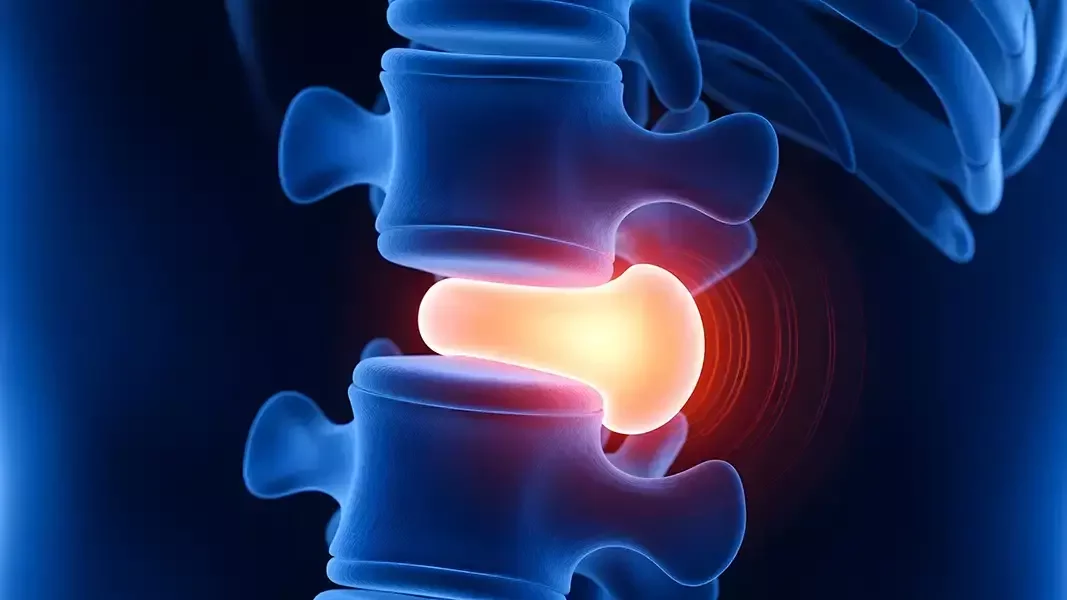
- Disc degeneration or disc bulges
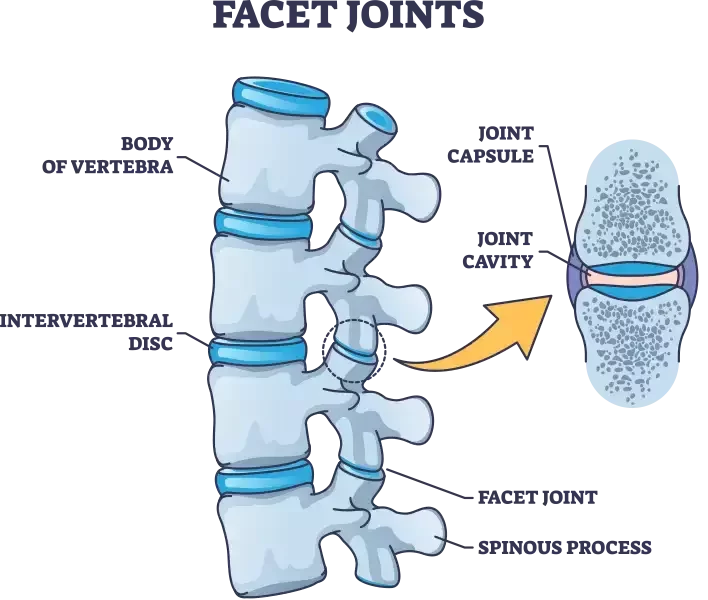
- Reduced spinal joint movement or misalignment
- Degenerative changes in the lumbar spine
- Pelvic or sacroiliac joint dysfunction
- Poor posture, prolonged sitting, or repetitive strain
- If posture feels abstract, learning how posture affects spinal mechanics can help explain why prolonged sitting and repetitive loading patterns contribute to sciatic symptoms.
- Previous injuries that were never fully corrected
Identifying which structures are involved – and why – is essential for effective, lasting relief.
Many patients with sciatica also experience underlying low back pain, especially when nerve irritation arises from lumbar disc stress or joint dysfunction. Addressing associated conditions like back pain and posture-related strain can improve long-term outcomes and reduce the risk of recurrence.

NOT ALL SCIATICA IS THE SAME
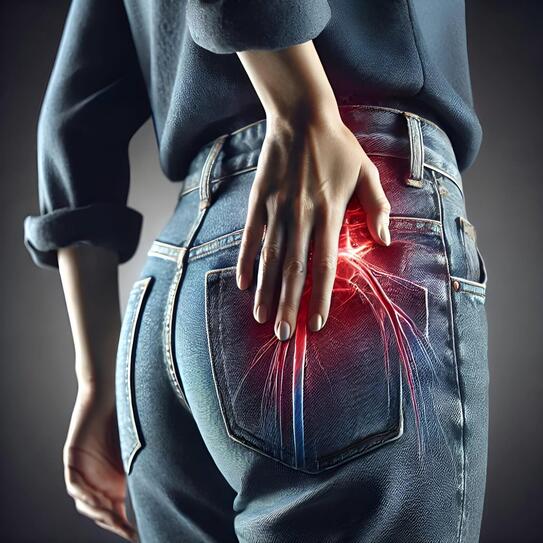
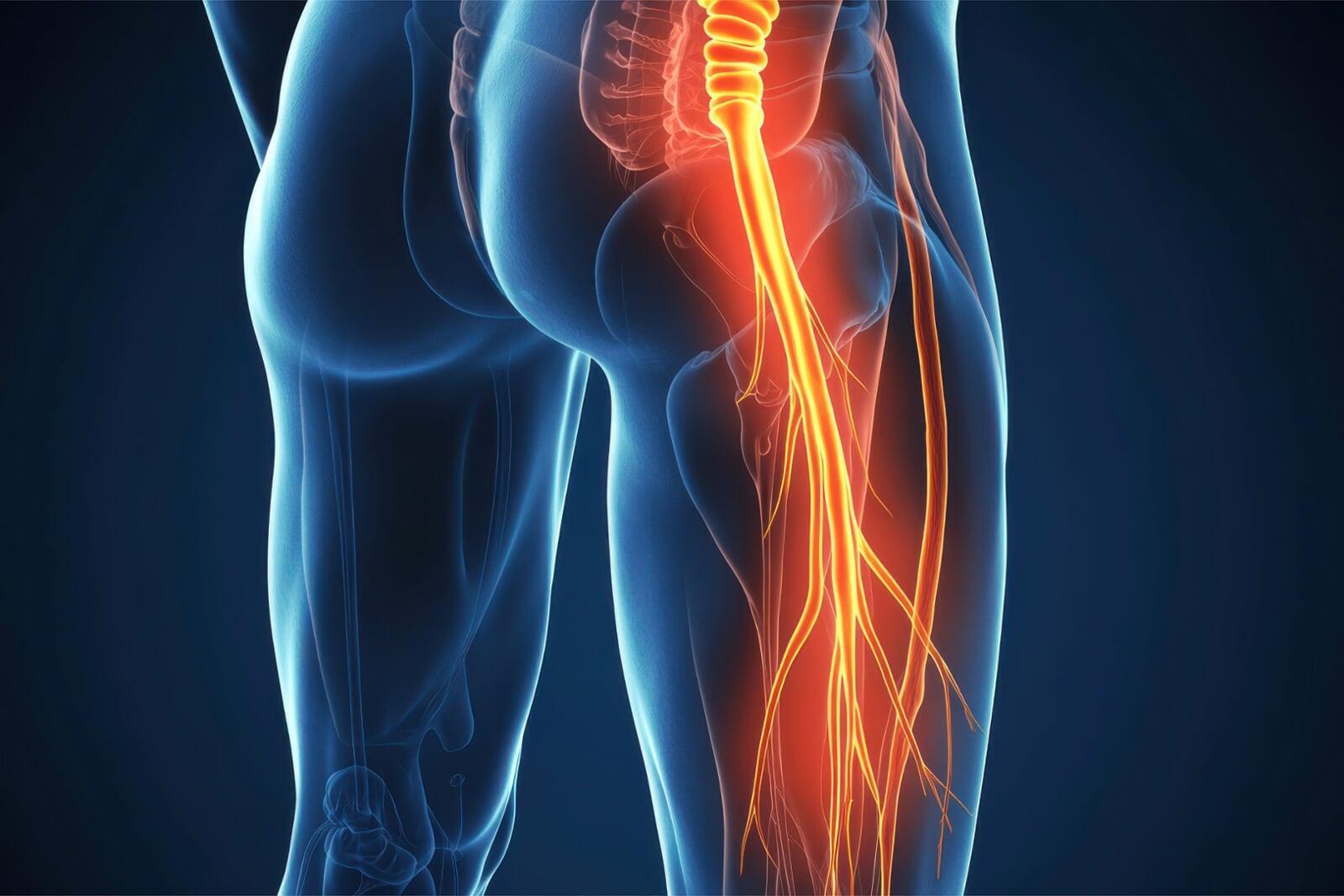
Many people use the term “sciatica” to describe pain that travels from the lower back into the buttock or down the leg. But not all leg pain is caused by the same mechanism. Identifying the pattern matters.
1. True Lumbar Radiculopathy
This occurs when a spinal nerve root is irritated or compressed, often due to disc stress or inflammation. Symptoms may include:
Sharp, shooting pain down one leg
Numbness or tingling below the knee
Muscle weakness
Symptoms worsened by coughing, sneezing, or prolonged sitting
In these cases, careful assessment of spinal alignment, disc mechanics, and nerve tension is essential.
2. Referred Glute or Lower Back Pain
Sometimes pain travels into the buttock or upper leg without true nerve root involvement. This is often muscular or joint-related.
Symptoms may include:
Aching in the buttock
Pain that doesn’t travel below the knee
Stiffness rather than sharp nerve pain
This pattern is managed differently than true radiculopathy.
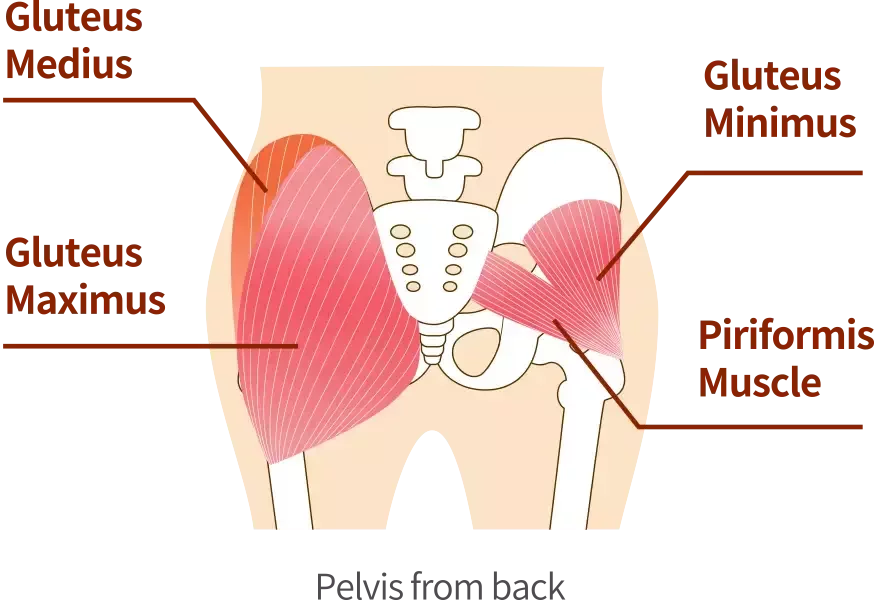
3. Piriformis-Like or Deep Gluteal Patterns
In some cases, irritation may occur in the deep gluteal region rather than at the spine itself. This can mimic sciatica.
Symptoms may include:
Buttock pain worsened by sitting
Pain that improves when standing or walking
Tenderness deep in the hip
Differentiating this from spinal nerve irritation is important before deciding on care.
HOW WE ASSESS SCIATICA
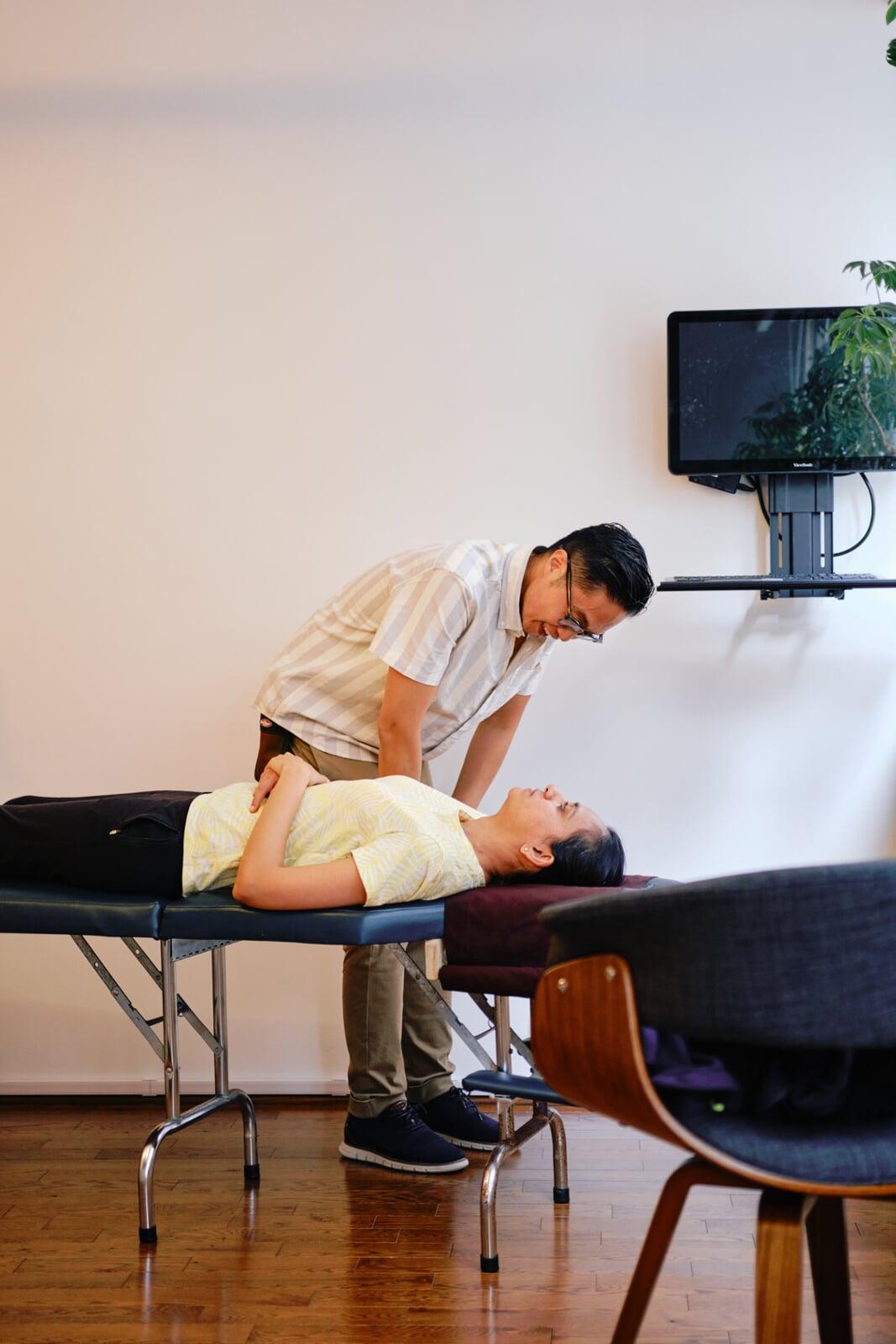
At Source Chiropractic, we begin with a focused assessment to determine which pattern is present. Care is tailored to the specific mechanical and neurological findings – not just the symptom label.
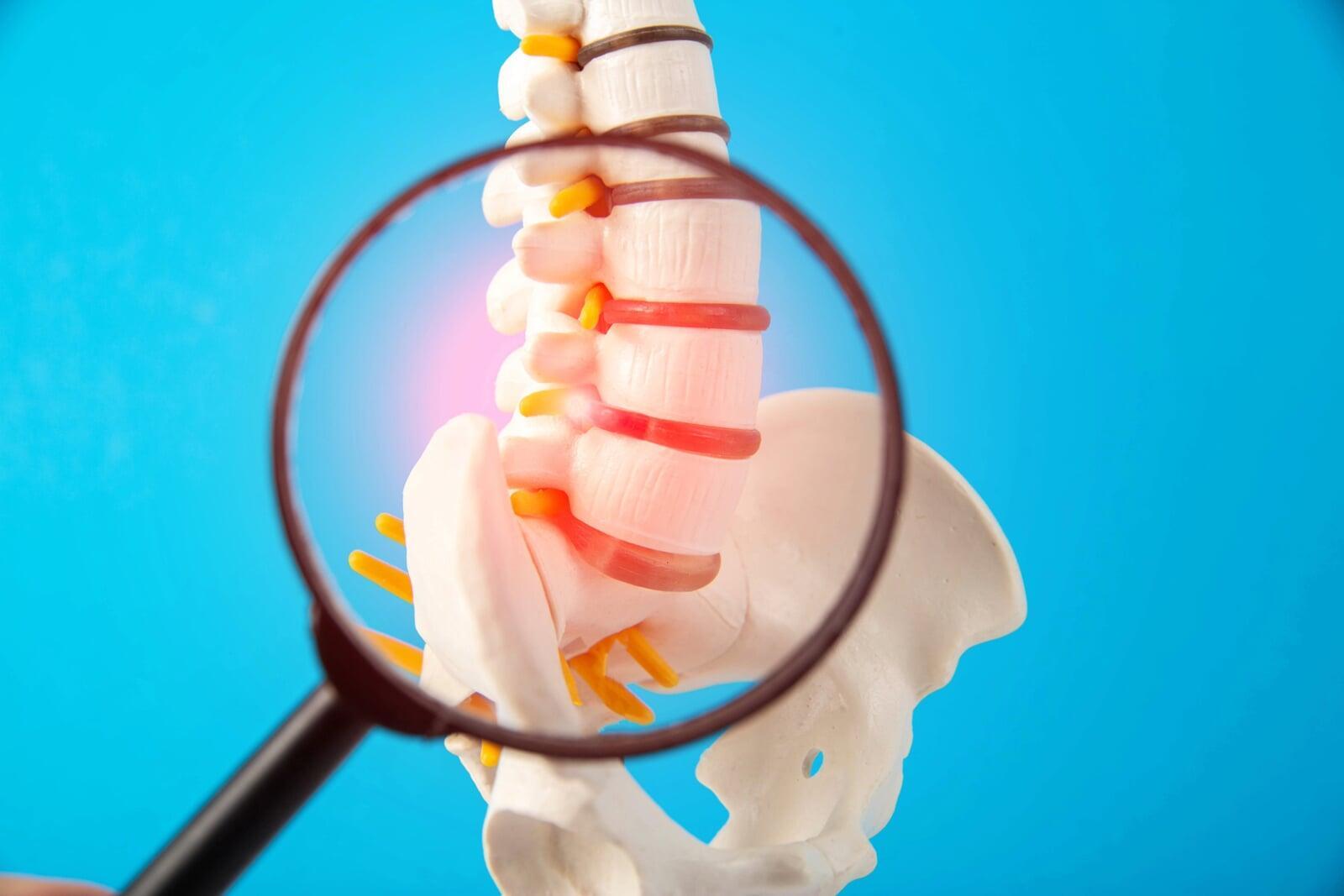
Sciatic pain can be influenced by spinal joint function, disc health, posture, and how the nervous system is responding to stress or irritation. Because symptoms can travel far from their source, careful assessment is essential.
Your assessment may include spinal and postural evaluation, movement testing, and consideration of how spinal and nervous system signaling may be influencing muscle control, tension, and movement patterns.
To better understand how these findings guide care, visit our Assessment & Care Approach.
THE ROLE OF SPINAL X-RAYS IN SCIATICA CARE
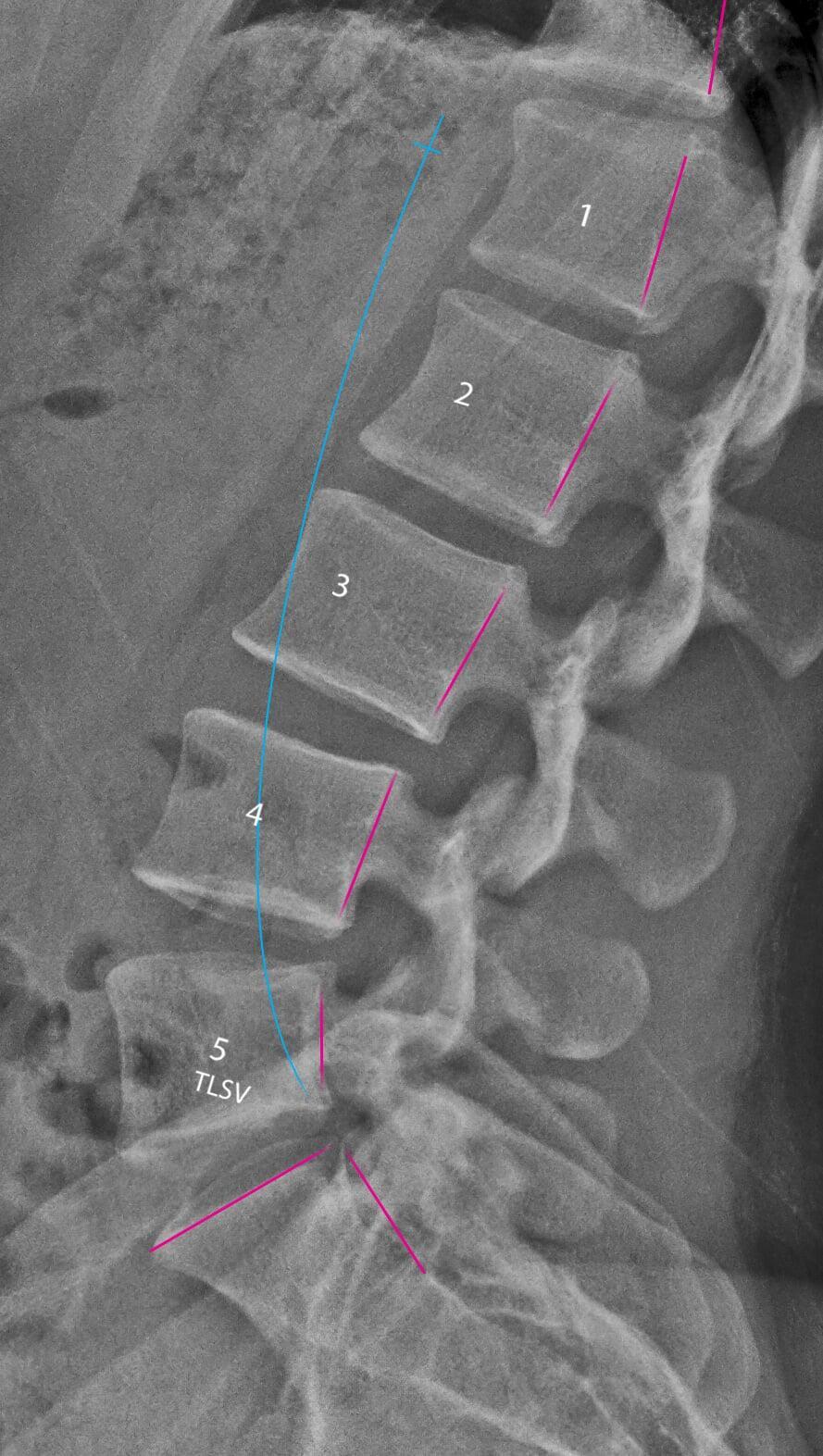
When clinically appropriate, we refer patients for spinal X-rays to better understand the structural condition of the spine – particularly when symptoms suggest disc stress, joint degeneration, or nerve irritation.
X-rays allow both you and Dr. Leo to:
- Visualize spinal alignment and joint spacing
- Identify signs of spinal degeneration or disc height loss
- Assess stress patterns that may be irritating the sciatic nerve
- Guide treatment decisions with greater precision
- Establish a clearer prognosis, not guesswork
Seeing your spine helps transform care from symptom-based to evidence-guided, allowing spinal alignment, disc stress, and structural changes to be monitored over time.
WHAT TO EXPECT AT SOURCE CHIROPRACTIC
- Thorough assessment and history
- Clear explanation of findings
- Imaging-informed decision making when needed
- A plan designed around your spine, your lifestyle, and your goals
WHEN TO SEEK CARE
- Persistent leg pain or numbness
- Pain worsened by sitting or standing
- Recurrent flare-ups that keep returning
- Sciatica that hasn’t resolved with rest or medication

RELATED CONDITIONS
YOUR CHIROPRACTOR
Care is provided by Dr. Leo Quan, a licensed chiropractor in Ontario practicing in downtown Toronto since 2011.
ABOUT THE CHIROPRACTOR
Dr. Leo Quan is a Doctor of Chiropractic practicing at Source Chiropractic in downtown Toronto. Dr. Leo is licensed in Ontario and regularly evaluates sciatic nerve irritation and lower back conditions associated with prolonged sitting and spinal mechanics.
BOOK A SCIATICA ASSESSMENT
You don’t need a diagnosis or referral to book an assessment. If we determine chiropractic care isn’t appropriate for your situation, we’ll tell you – clearly and honestly.
If you’re new to chiropractic care, review what to expect at your first visit and how we evaluate spinal alignment and possible nerve irritation related to sciatica.
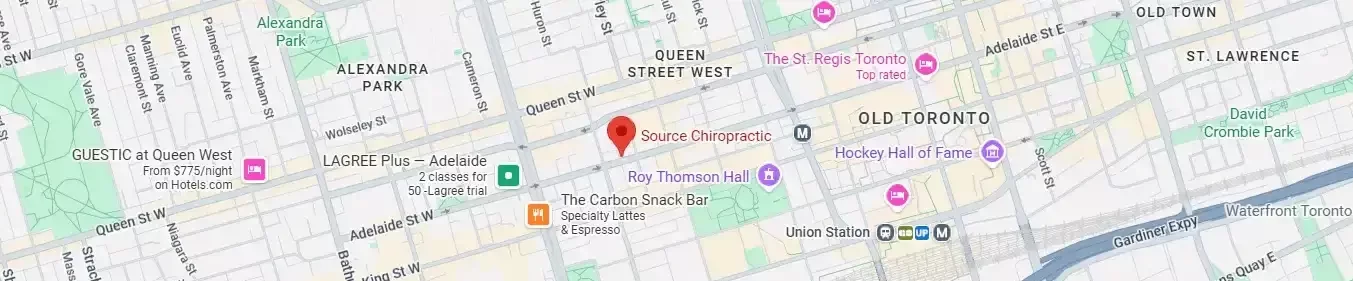
Our downtown Toronto chiropractic clinic is located near King-Spadina and the Financial District, making it easy for professionals to access care.
Book an assessment at Source Chiropractic and take the first step toward understanding your spine and relieving sciatic nerve pain with clarity and confidence.
- No medical referral required
- Most extended health plans accepted
- Located in downtown Toronto – King West / Entertainment District