OUR ASSESSMENT AND CARE APPROACH
Clinically reviewed by Dr. Leo Quan, Doctor of Chiropractic
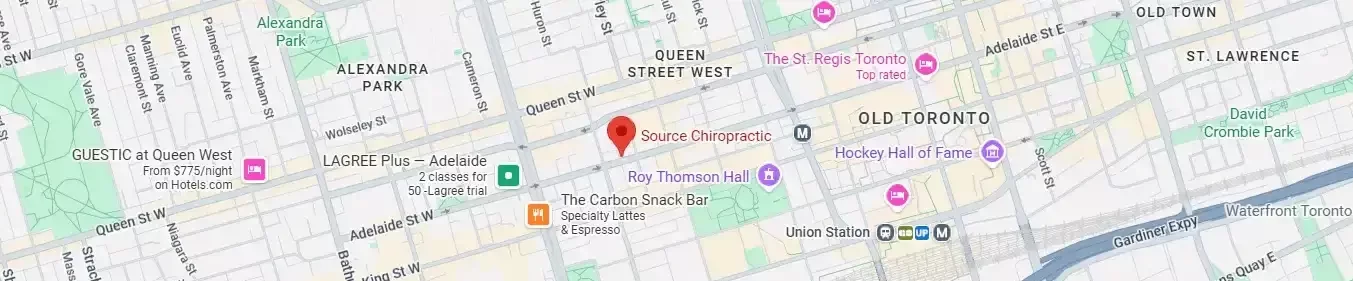
Source Chiropractic – Downtown Toronto
Last updated: August 2026
START WITH UNDERSTANDING, NOT ASSUMPTIONS
At Source Chiropractic, care begins with understanding what may be contributing to your concerns before deciding what, if anything, should be treated.
Dr. Leo Quan considers your health history, symptoms, posture, spinal movement, functional findings, and relevant orthopedic and neurological findings to build a clearer picture of how your body is functioning.
The goal is not to assume that every symptom has the same cause, or that every patient needs the same care. It is to identify clinically meaningful patterns, explain what they may mean, and determine whether chiropractic care is appropriate for your situation.
When care is recommended, the plan is based on your individual findings, goals, and response over time.
WHY ASSESSMENT MATTERS
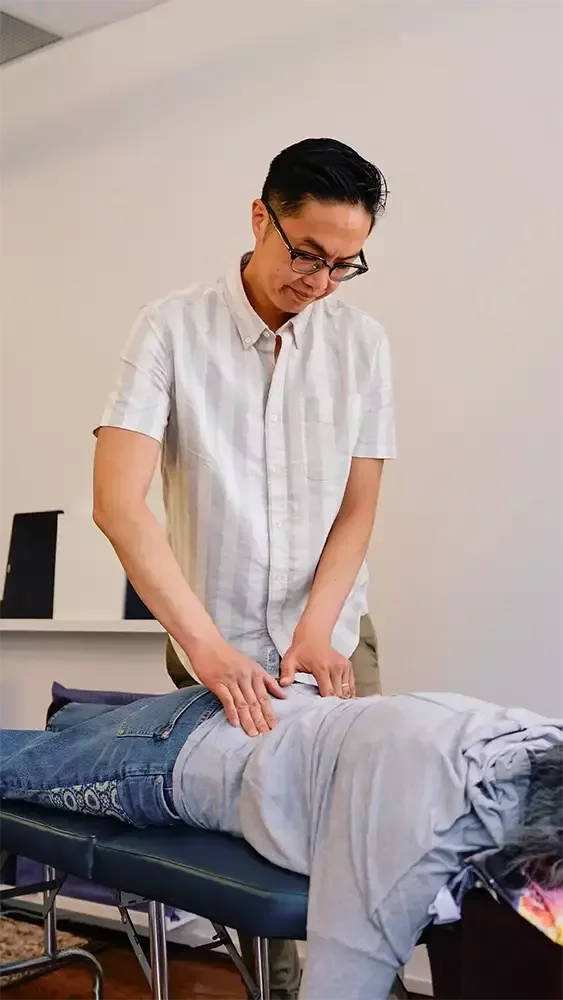
Symptoms tell us where you are experiencing a problem, but they do not always tell us everything about what is contributing to it.
Neck pain, headaches, back pain, stiffness, or recurring tension may be influenced by more than one factor. Posture, spinal movement, previous injuries, work demands, exercise, daily habits, and other clinical findings can all provide useful context.
A thorough assessment helps Dr. Leo answer practical questions such as:
- Which findings appear most relevant to your concerns?
- Are there restrictions, asymmetries, or movement patterns that may be adding strain?
- Are other areas compensating?
- Are there orthopedic or neurological findings that change what should be recommended?
- Are there findings that require imaging, further investigation, or referral before treatment should begin?
- Are work, exercise, posture, or other daily demands contributing?
- Is chiropractic care appropriate, or would another form of assessment or care make more sense?
The purpose is to make care more informed and purposeful rather than simply reacting to where something hurts.
WHAT DR. LEO ASSESSES
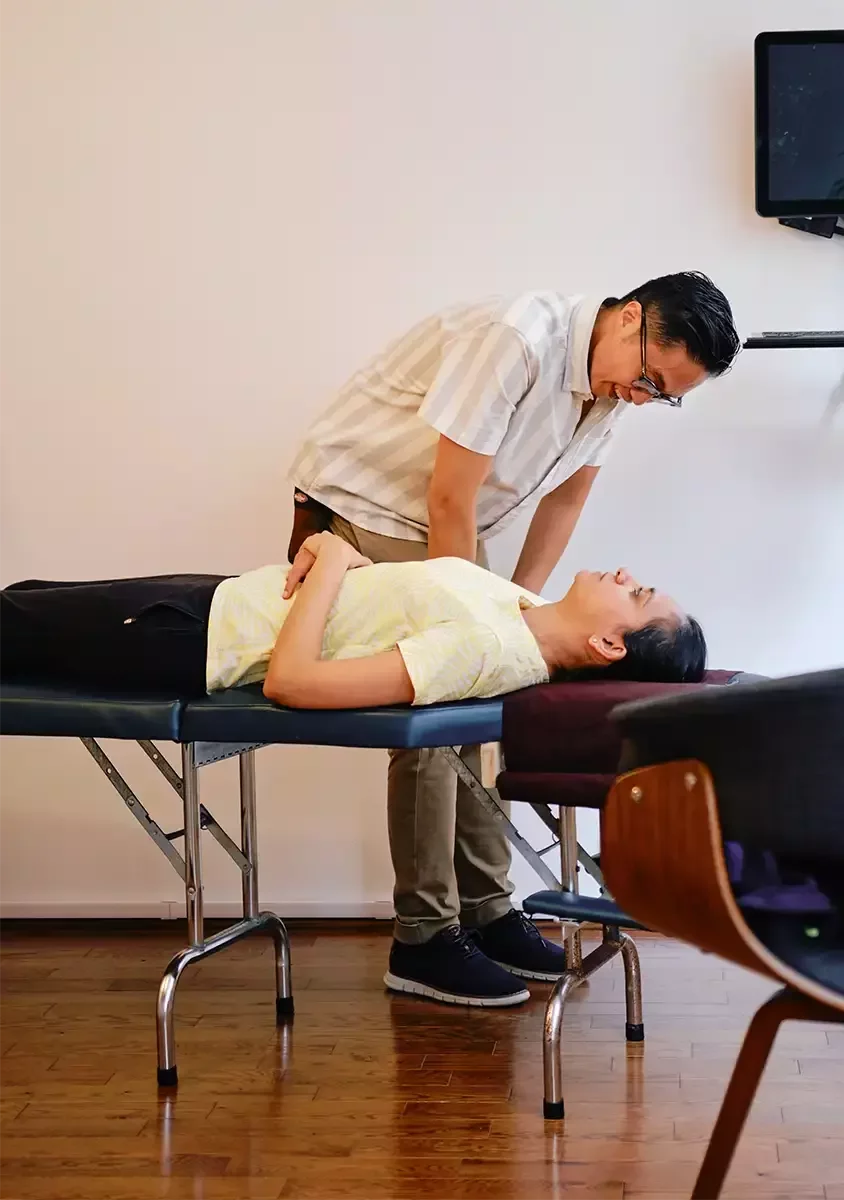
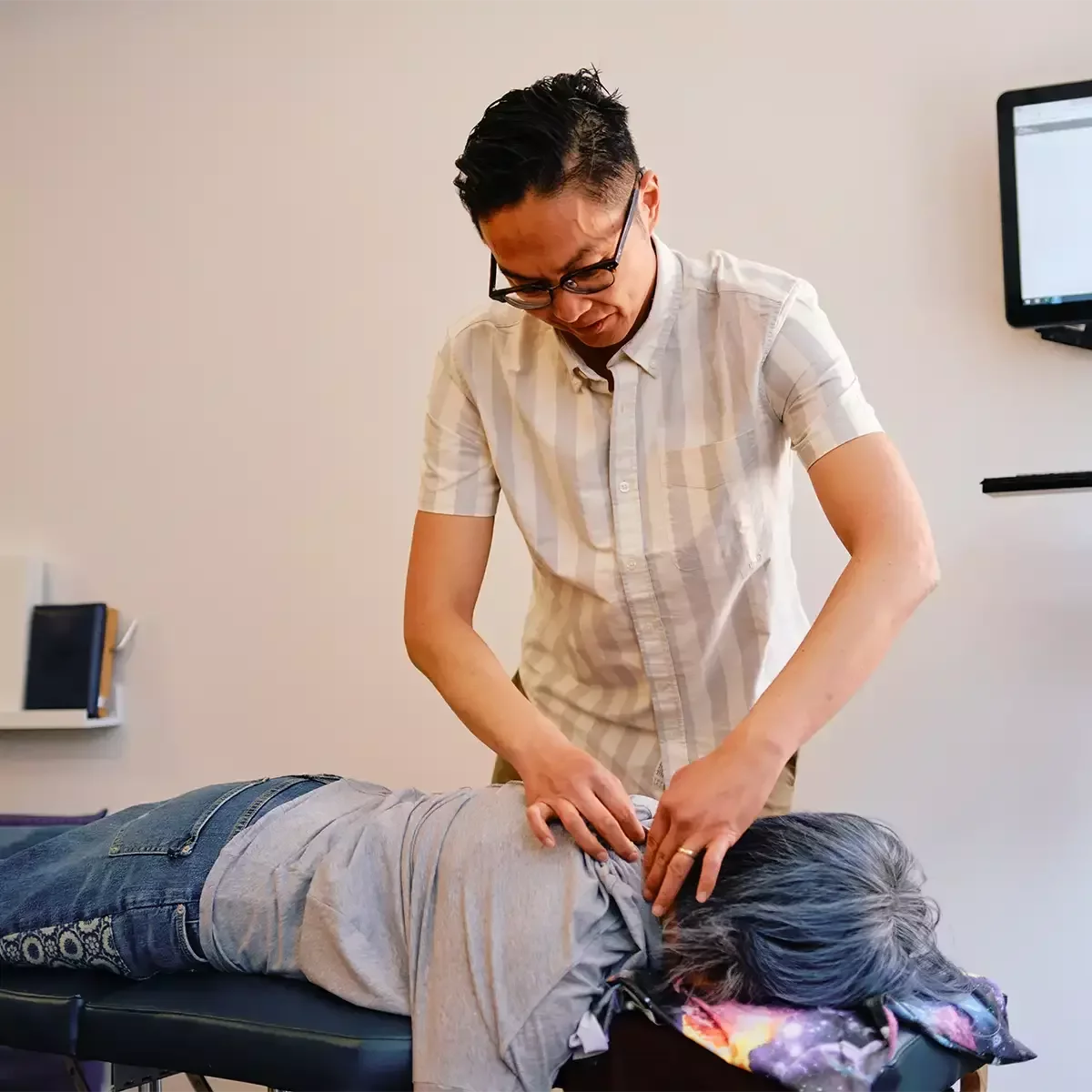
The assessment is tailored to the patient rather than performed as an identical checklist for everyone. Depending on your concerns and history, Dr. Leo may evaluate:
Health history and symptom pattern
When symptoms began, what aggravates or relieves them, previous injuries, relevant health history, and how the problem affects daily activities.
Posture and alignment
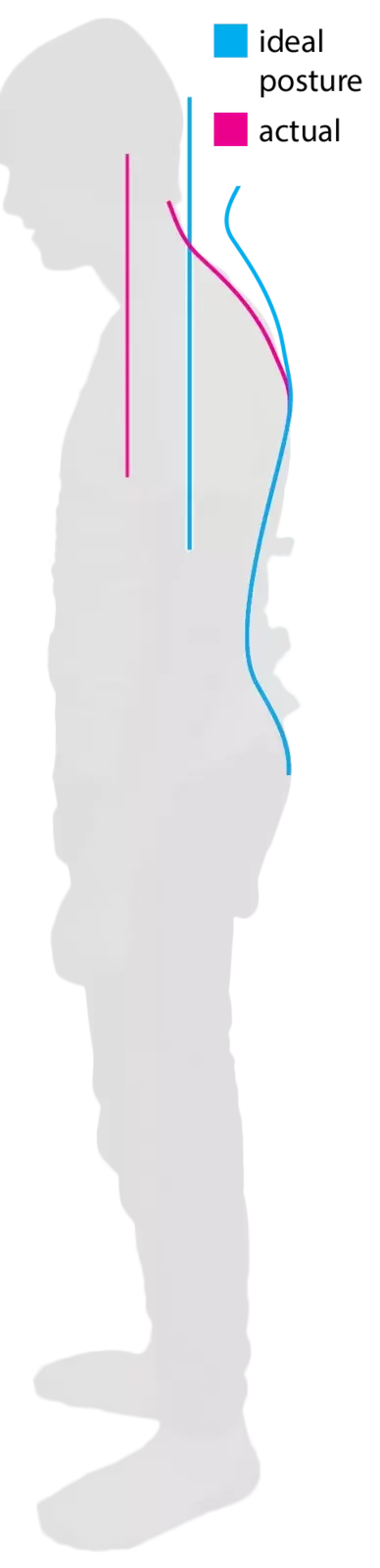
Visible postural patterns, asymmetries, weight distribution, and other findings that may provide context for spinal loading and movement.
Spinal and regional movement
How individual regions of the spine and related joints move, including areas of restriction, altered motion, or compensation.
Orthopedic and neurological findings
Relevant testing may be used when indicated to better understand whether muscles, joints, nerves, or other structures may be involved.
Functional findings
How your symptoms and examination findings relate to tasks that matter to you – such as sitting at work, exercising, lifting, sleeping, commuting, or other daily activities.
No single finding determines the care plan on its own. Dr. Leo considers the overall pattern and explains which findings he believes are most clinically relevant.
CLINICAL INFLUENCES: NETWORKSPINAL AND CHIROPRACTIC BIOPHYSICS
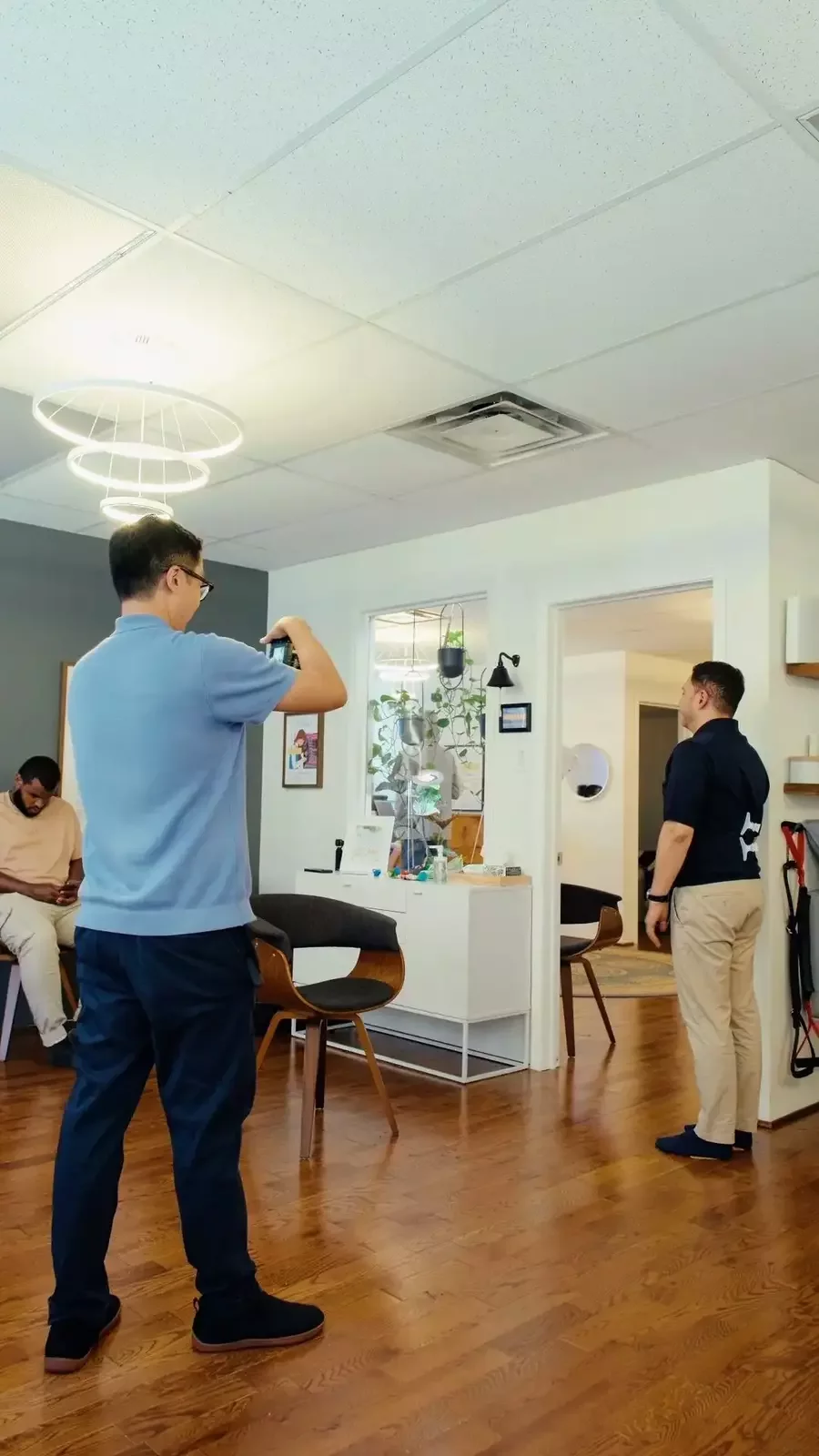
Dr. Leo’s approach has been influenced by training in both NetworkSpinal and Chiropractic BioPhysics (CBP). These approaches emphasize different aspects of spinal care, and he does not apply either as a rigid protocol. Instead, they have helped shape how he thinks about spinal function, posture, tension patterns, measurable findings, and patient response.
NETWORKSPINAL
Dr. Leo completed Level 3 certification in NetworkSpinal in 2016, including training with its founder, Dr. Donald Epstein.
NetworkSpinal influences the way Dr. Leo observes and palpates patterns of spinal tension and subluxation – including changes in movement, tension, responsiveness, and other palpable findings – which may present differently from patient to patient. It also informs where and when he chooses to make a contact or adjustment, how much force he uses, and how he adapts care based on the way the patient responds.
Gentle contacts may be incorporated into care when appropriate, with the goal of helping reduce guarding and reactivity and supporting more adaptable patterns of spinal tension and nervous system regulation.
These observations also contribute to reassessment. Dr. Leo looks not only at symptoms, but also at how patterns of tension, guarding, responsiveness, and spinal function change over time.
CHIROPRACTIC BIOPHYSICS (CBP)
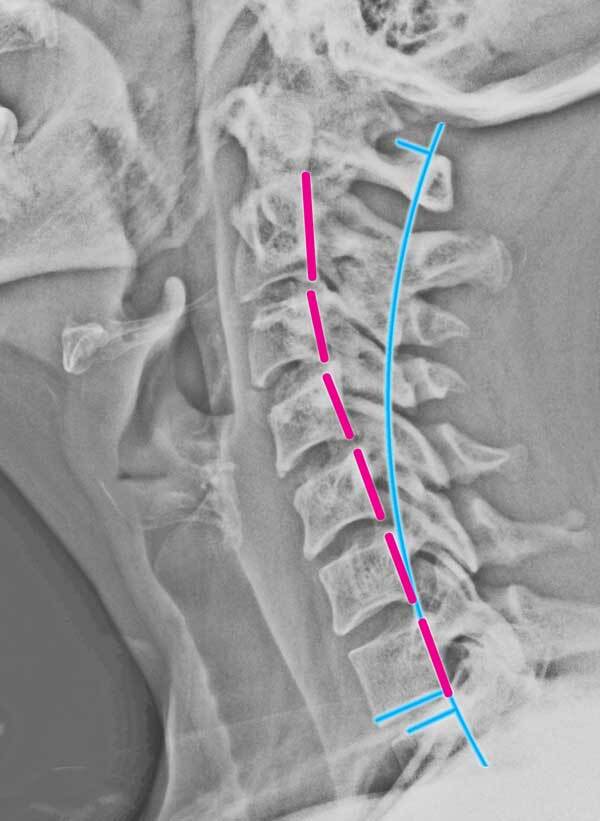
When structural correction is being considered, radiographic measurements may have a direct treatment-planning role by helping define the spinal pattern being addressed and informing how a corrective strategy is applied.
NetworkSpinal and CBP contribute different but complementary perspectives to Dr. Leo’s approach. NetworkSpinal influences how he evaluates patterns of spinal tension, subluxation, guarding, nervous system regulation, and patient responsiveness. CBP contributes a more structural and biomechanical framework, with emphasis on measurable posture and spinal alignment findings and strategies aimed at structural correction.
Dr. Leo does not apply either approach as a rigid formula. He integrates these influences with the patient’s history, examination findings, imaging when appropriate, goals, comfort, and response to care.
WHEN IMAGING CAN CHANGE THE CARE DECISION
Investigating Pathology or Safety Concerns
Planning Structural Correction
Measuring a Structural Outcome
FROM FINDINGS TO A CARE RECOMMENDATION
After the assessment, Dr. Leo brings the relevant findings together and explains what he believes is most important.
If chiropractic care appears appropriate, he will discuss:
- the clinical findings being addressed
- the goals of care
- the type of chiropractic care or techniques he recommends
- whether home exercises or other recommendations may be useful
- an appropriate initial frequency and time frame
- how progress will be reassessed
Recommendations are individualized. Two people with similar symptoms may receive different recommendations because their examination findings, health history, goals, or response to care are different.
If chiropractic care does not appear appropriate, or if findings suggest that another healthcare professional should be involved, Dr. Leo will explain that as well.
HOW CHIROPRACTIC CARE IS DELIVERED
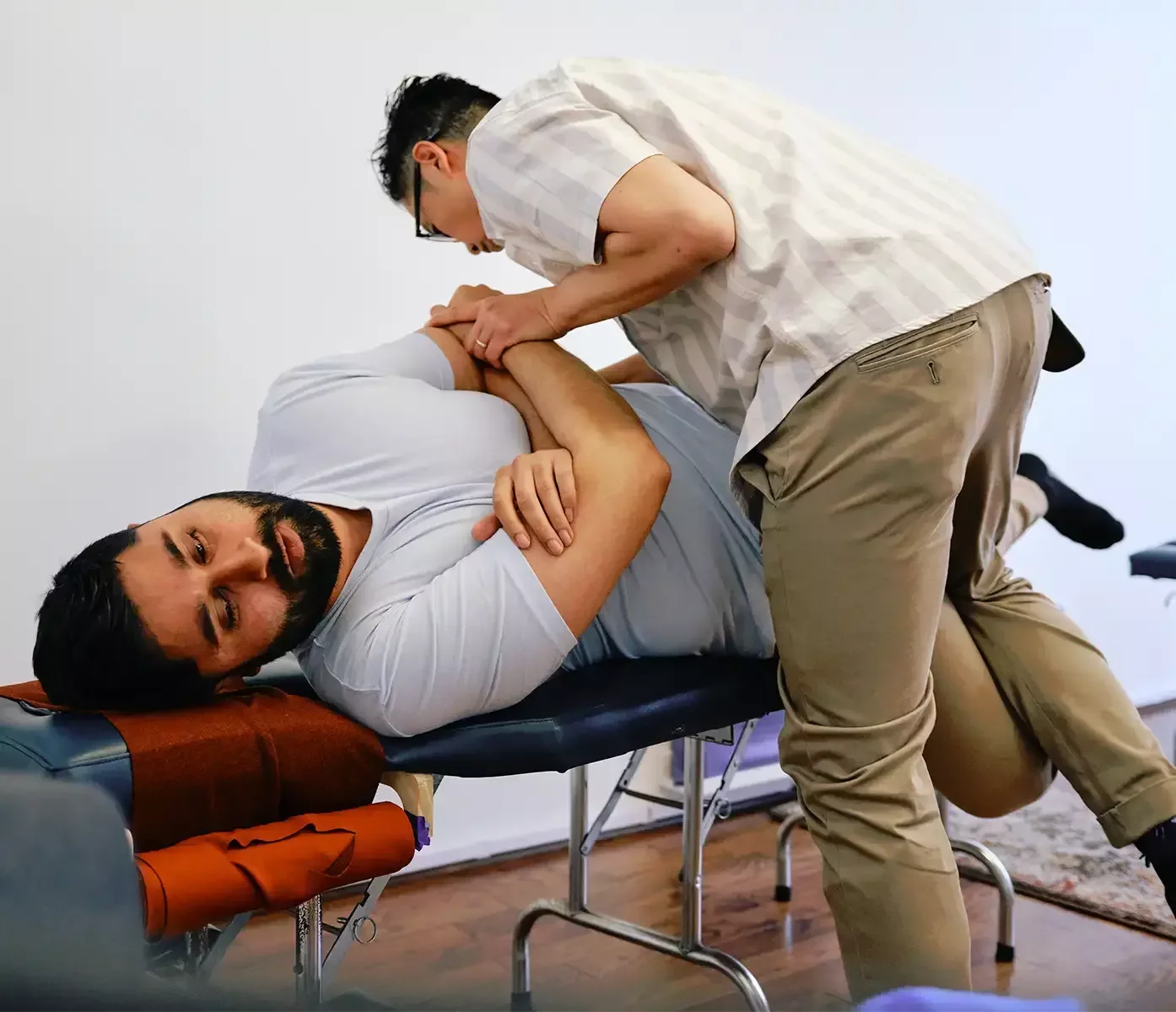
Chiropractic care at Source is not based on one adjustment style or a fixed protocol. Dr. Leo adapts care to the findings from your assessment, the area being addressed, and how your body responds.
Adjustments may range from more traditional manual techniques to lighter, more precise contacts influenced by Dr. Leo’s NetworkSpinal training. The technique and force are adapted with the aim of improving spinal function while working with – rather than simply pushing through – patterns of tension, guarding and sensitivity.
Depending on your findings and goals, care may also include corrective exercises, posture-specific strategies or traction intended to address specific mechanical or structural patterns.
What is used, how often it is used and whether it continues are determined by your individual presentation and your response over time.
STRUCTURAL CORRECTION WHEN APPROPRIATE
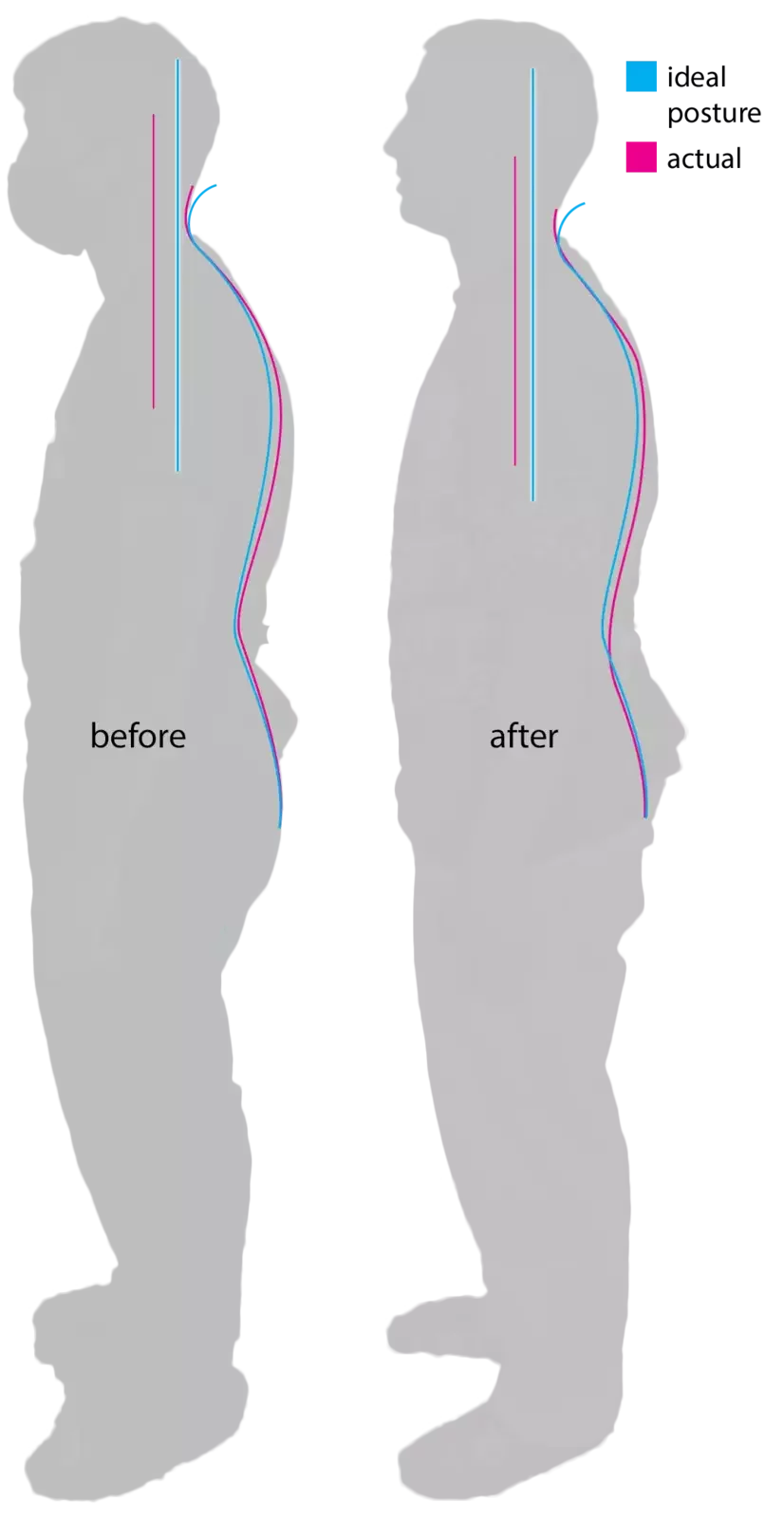
For some patients, care includes a goal of structural correction – working toward measurable improvement in spinal alignment or posture when those findings are clinically relevant.
Dr. Leo's training in Chiropractic BioPhysics influences this part of care. Depending on the findings, strategies may include mirror-image adjusting, corrective exercises, and extension or compression traction directed toward the specific postural or spinal pattern identified during assessment. When radiographic measurements are clinically indicated, those measurements can help determine the location, direction, and magnitude of the structural finding being addressed and inform how a corrective strategy is planned.
Structural correction is not assumed to be necessary for every patient and is not presented as a guaranteed outcome. When structural correction is part of the care plan, progress is evaluated using the same types of objective findings that helped establish the starting point, so recommendations can be continued, modified, or reconsidered based on measurable change.
HOW PROGRESS IS REASSESSED
A care plan should not continue simply because a certain number of visits was recommended at the beginning.
Dr. Leo reassesses progress over time to determine whether the plan is producing meaningful change.
Depending on the goals of care, reassessment may consider:
- changes in symptoms
- function and tolerance for daily activities
- posture or movement findings
- relevant examination findings
- how frequently symptoms recur
- the patient’s ability to work, exercise, sleep, or perform other important activities
- measurable structural findings, including repeat imaging when confirming structural change would meaningfully affect subsequent recommendations
Progress is not always linear. Some findings may improve before others, and recommendations may change as the patient responds.
If care is not producing the expected progress, the appropriate next step is to reassess why – and modify the plan, investigate further, refer when appropriate, or reconsider whether continued care makes sense.
CARE IS A SHARED DECISION
Dr. Leo’s role is to assess, explain, and make a professional recommendation.
The patient’s role is to decide what they are comfortable proceeding with.
You are encouraged to ask questions about your findings, the recommended plan, techniques, alternatives, expected time frames, and how progress will be measured.
Recommendations may change as new information emerges or as you respond to care. Consent is ongoing, and you remain in control of your care throughout the process.
WHO THIS APPROACH MAY BE RELEVANT FOR
This assessment-based approach is commonly used with patients experiencing persistent or recurring concerns such as:
The same symptom can arise for different reasons, so these conditions are not treated according to a single formula. The assessment helps determine which findings are relevant in the individual patient and whether chiropractic care may be appropriate.
ABOUT DR. LEO QUAN
Dr. Leo Quan is a Doctor of Chiropractic and owner of Source Chiropractic in downtown Toronto. He graduated from the Canadian Memorial Chiropractic College in 2011 and is licensed to practise chiropractic in Ontario.
His clinical approach has been shaped by more than a decade in practice as well as further training in NetworkSpinal and Chiropractic BioPhysics.
His work focuses on posture, spinal biomechanics, recurring spinal strain, and helping patients understand the clinical findings that may be relevant to their concerns.
BOOK A NEW PATIENT ASSESSMENT
If you would like to understand what may be contributing to your concerns and whether chiropractic care is appropriate, the next step is a New Patient Assessment.
Dr. Leo will review your history, complete a focused examination, explain the relevant findings, and make recommendations based on your individual situation.
No referral is required.
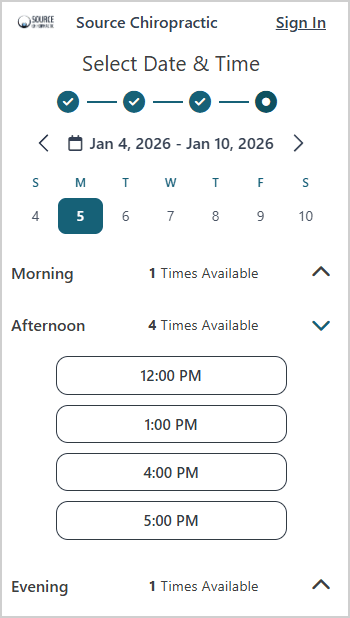
Preview available consultation times below