CONDITIONS WE HELP WITH
Clinically reviewed by Dr. Leo Quan, Doctor of Chiropractic
Source Chiropractic – Downtown Toronto
Last updated: July 2026
Pain is rarely the problem on its own – it’s a signal.
At Source Chiropractic, we help people who are dealing with persistent or recurring pain understand why it’s happening, not just where it hurts. Many conditions are influenced by how stress is distributed through the spine over time, how the nervous system adapts, and how posture-related strain gradually builds with daily life.
If you’re looking for clarity rather than quick fixes, you’re in the right place.
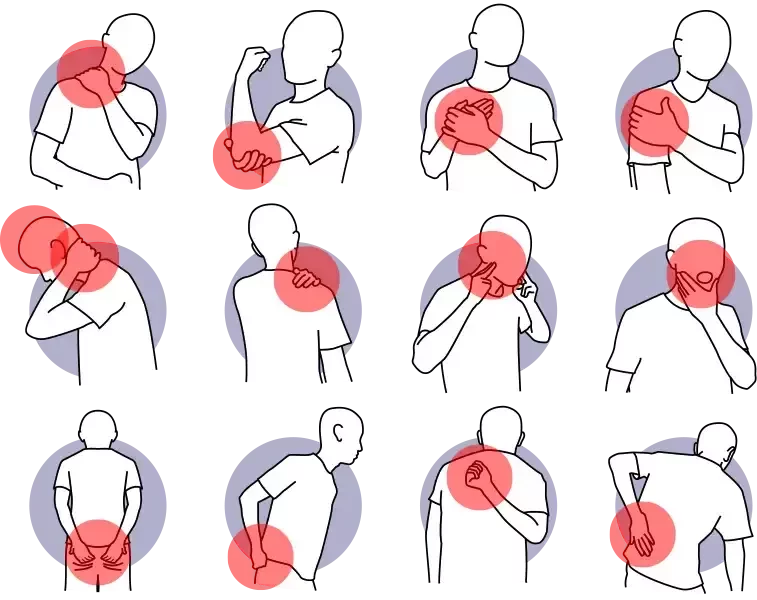
A DIFFERENT WAY TO THINK ABOUT PAIN
Most musculoskeletal pain doesn’t come from a single moment of injury. It develops as the body adapts to repeated positions, workloads, and stress without adequate recovery.
Over time, posture-related strain can influence how joints move, how muscles share load, and how well the body regulates tension. This helps explain why symptoms often return, shift location, or worsen with certain activities.

COMMON CONDITIONS WE HELP
Below are some of the most common reasons people seek care with us. Each condition has its own page with more detail on symptoms, contributing factors, and how we approach care.

NECK PAIN
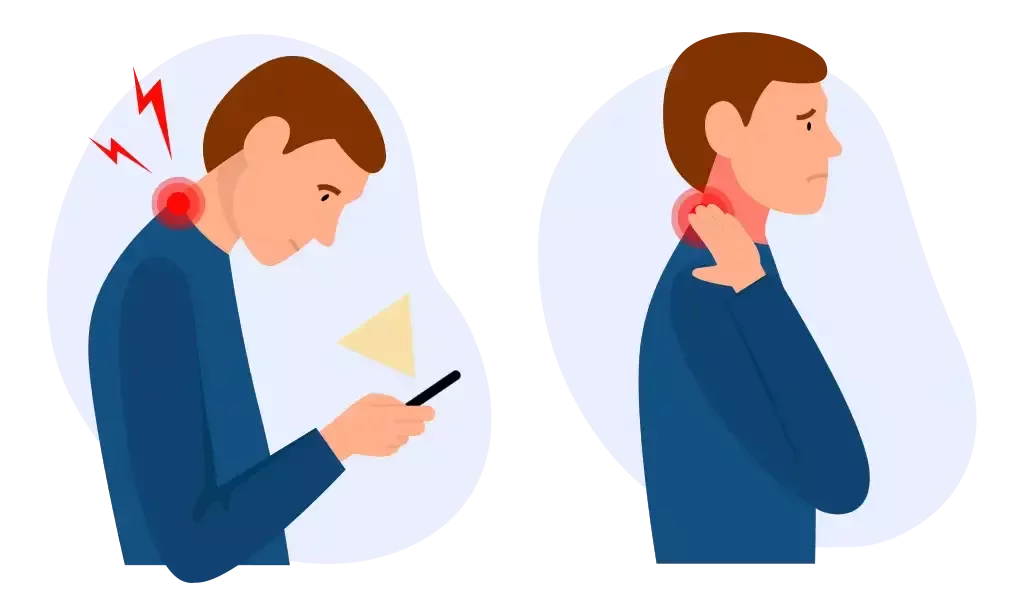
Stiffness, tension, reduced mobility, or pain that worsens with desk work or screen time.
Neck pain is often associated with headaches, shoulder tension, and posture-related strain from prolonged sitting. Some people also notice headaches that gradually build throughout the workday alongside neck tightness, screen use, or prolonged desk work.
→ Neck Pain Care in Toronto
→ Headache & Migraine Care
→ Shoulder Pain Care
BACK PAIN
Low, mid, or upper back pain that may feel tight or sore, especially after prolonged sitting or repetitive movement.
Back pain is often connected with posture-related strain and may be associated with sciatic symptoms or reduced spinal mobility over time.

HEADACHES & MIGRAINES
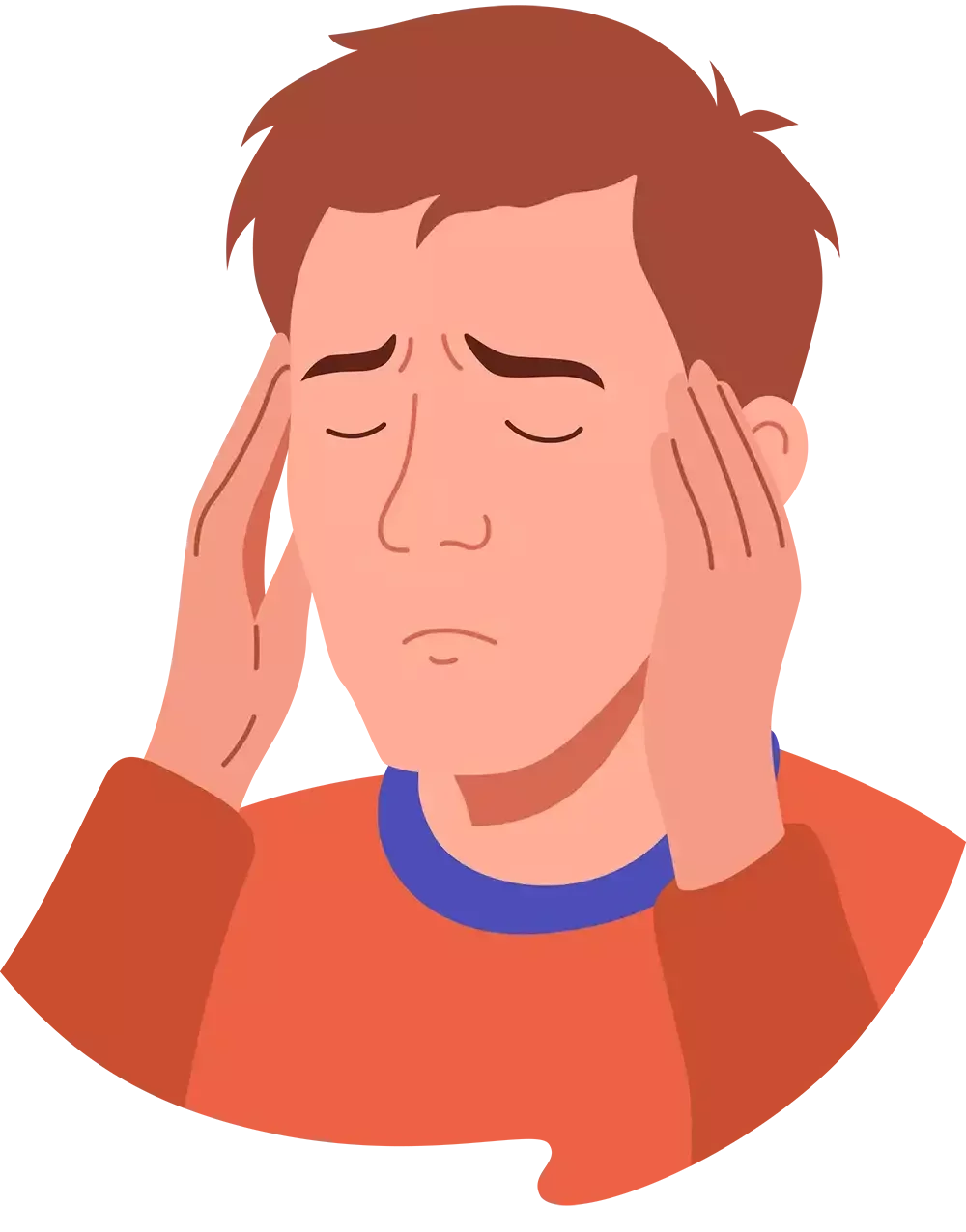
Recurring headaches or migraines may be associated with neck tension, jaw tightness, prolonged screen use, or postural strain.
Restricted spinal movement and muscular tension in the neck and upper back can influence headache patterns. Some people notice symptoms that gradually build during the workday and ease when they spend less time at a desk.
→ Headache & Migraine Chiropractor in Toronto
SCIATICA
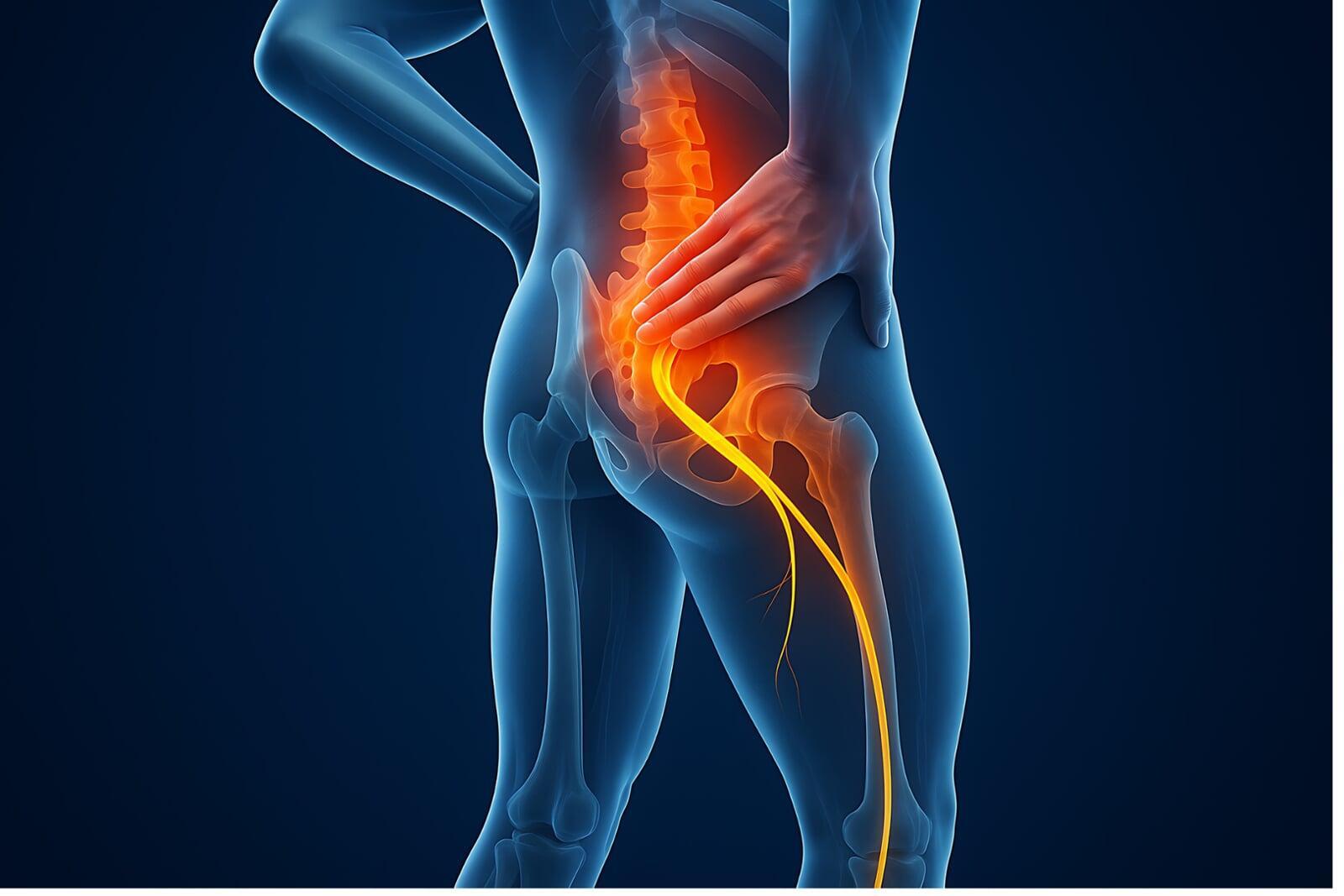
Pain, tingling, or discomfort that travels through the hip, leg, or foot.
Sciatic symptoms are often influenced by spinal mechanics, posture-related strain, and how pressure is distributed along nerve pathways, commonly alongside lower back pain.
SHOULDER PAIN
Pain, stiffness, or limited range of motion in one or both shoulders.
Shoulder discomfort is often influenced by posture, spinal alignment, and how the upper body compensates during daily activity, frequently overlapping with neck tension.

WHY THESE SYMPTOMS OFTEN OCCUR TOGETHER
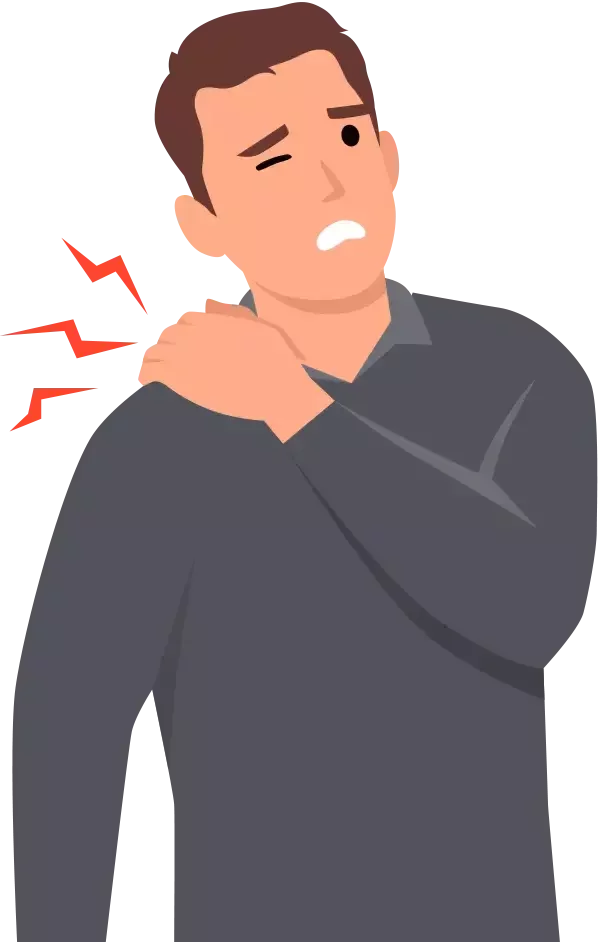
Many people are surprised to learn that neck pain, headaches, shoulder tension, and even jaw discomfort often share underlying contributors.
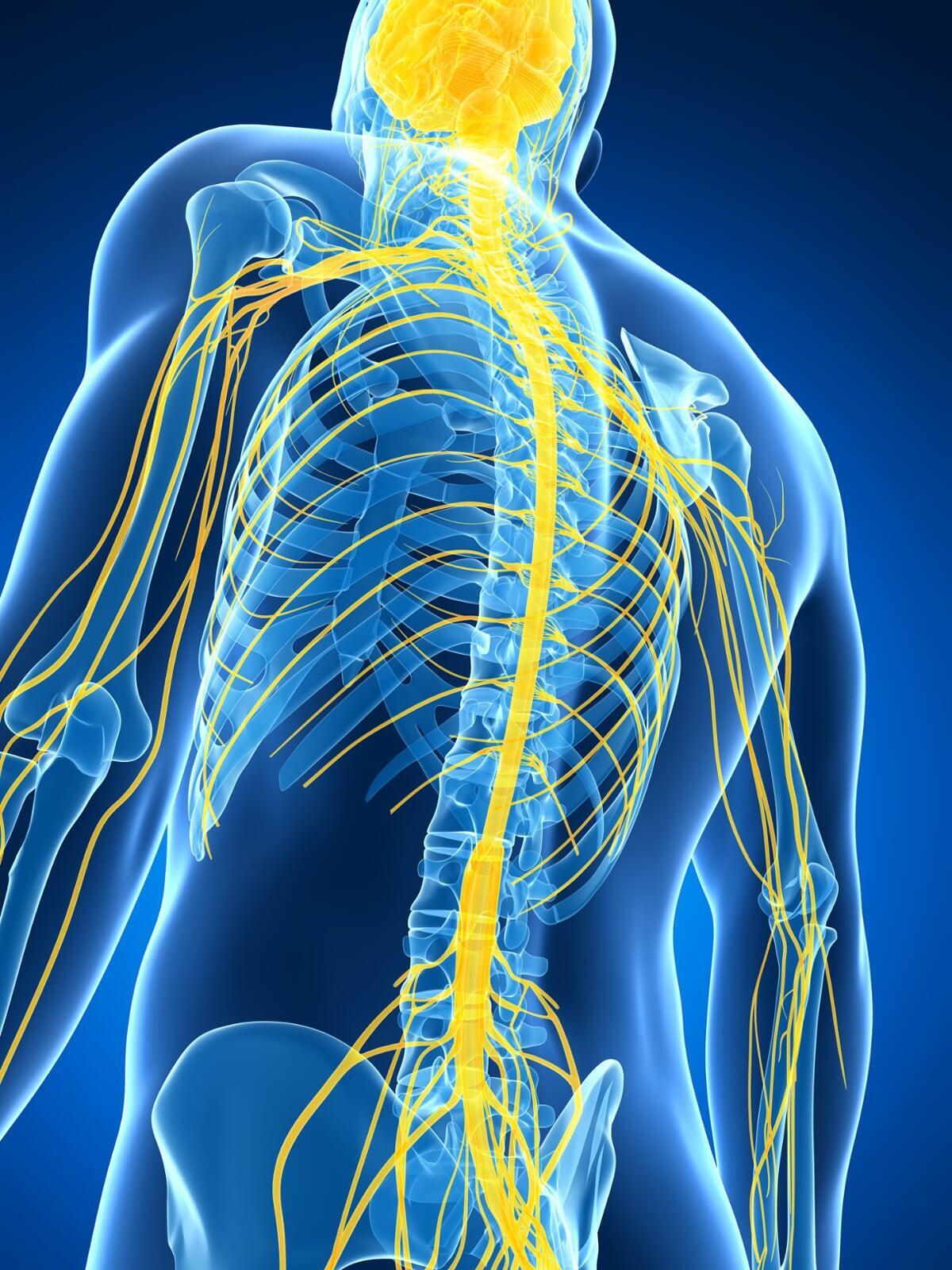
Rather than treating each symptom in isolation, we assess how posture strain, spinal movement, and nervous system stress may be influencing the pattern as a whole.
If posture feels abstract, learning how it works can provide helpful context for why these conditions tend to overlap.
HOW WE ASSESS AND CARE FOR THESE CONDITIONS
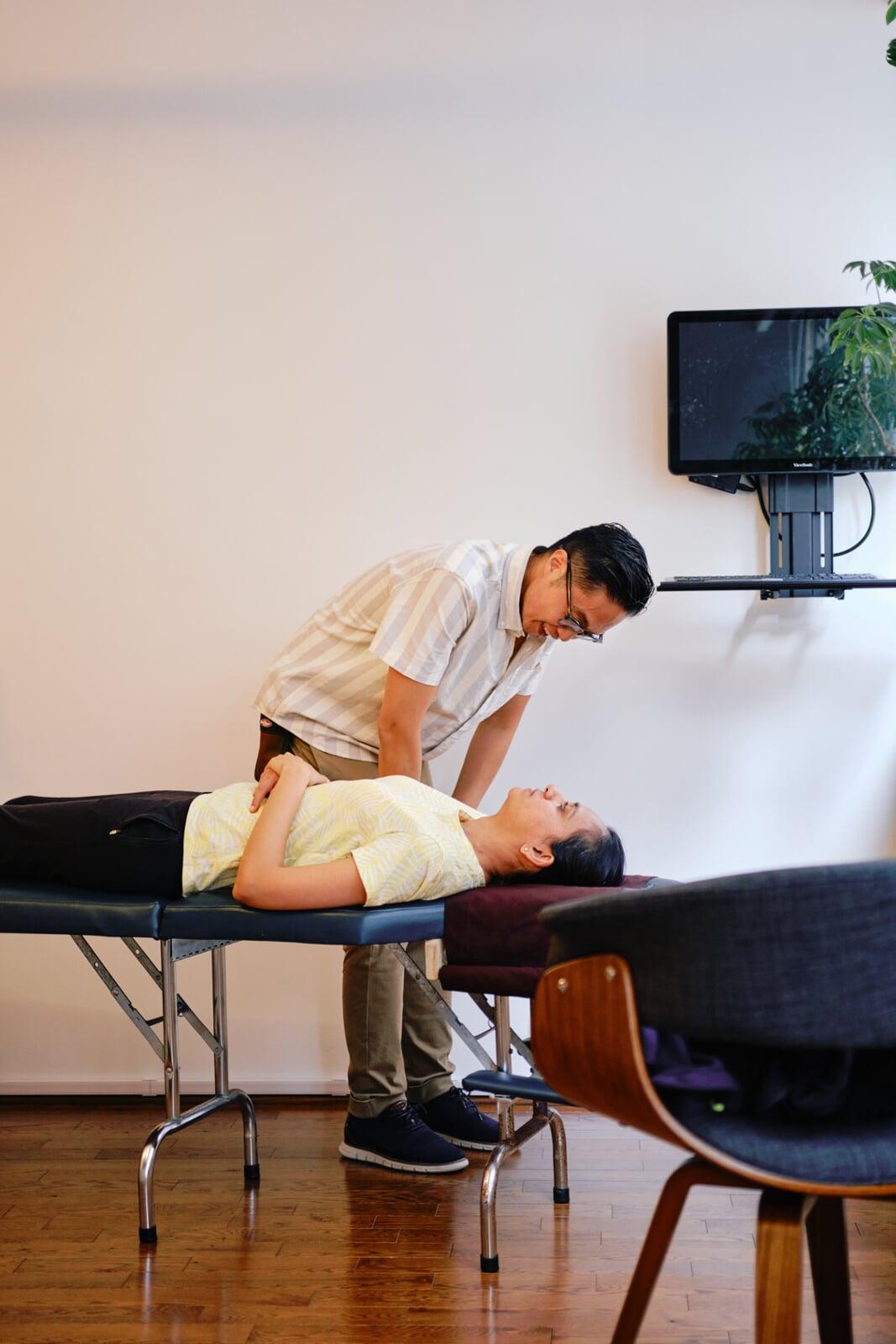
Care begins with understanding how your body is functioning.
Our assessments may include:
Postural analysis from multiple views
Evaluation of spinal motion and joint mechanics
Neurological and muscle tone assessment
Digital X-rays when appropriate to visualize structural stress
Care is tailored to improve how your body manages load and adapts over time, not just to reduce symptoms temporarily.

WHAT PATIENTS OFTEN SAY
“I came in for neck and shoulder pain that kept coming back. What surprised me was how much my posture and daily habits were contributing. Once that was addressed, everything started to change.”
“I had headaches for years and never connected them to my neck or posture. Getting clear answers made all the difference.”

WHEN TO CONSIDER A CHIROPRACTIC ASSESSMENT
Many patients who find this page are experiencing things like:
- neck tension after long hours at a desk
- recurring headaches or upper back tightness
- lower back pain that comes and goes
- posture strain from computer or phone use
If any of these sound familiar, a focused spinal assessment can help determine what’s actually driving the problem.
You don’t need a diagnosis to start – just questions.
ABOUT THE CHIROPRACTOR
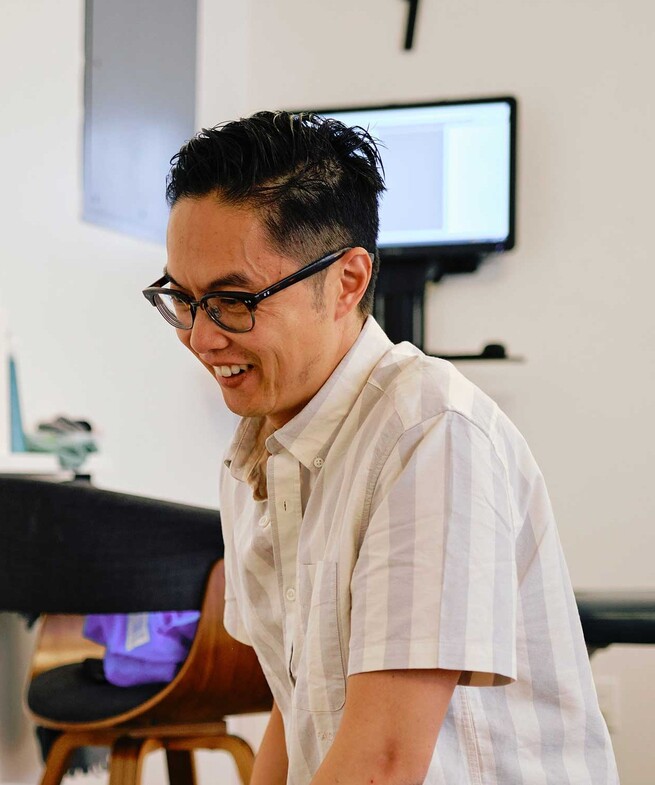
Dr. Leo Quan is a Doctor of Chiropractic practicing at Source Chiropractic in downtown Toronto. Dr. Leo is licensed in Ontario and regularly evaluates posture-related spinal strain and conditions such as neck pain, headaches, and lower back tension commonly experienced by desk-based professionals.
READY TO TAKE THE NEXT STEP TOWARD REAL CORRECTION?
If one or more of these conditions sounds familiar, the goal isn’t just relief – it’s understanding what your body is responding to and why.
You don’t need a diagnosis or referral to book an assessment. If we determine chiropractic care isn’t appropriate for your situation, we’ll tell you – clearly and honestly.