SHOULDER PAIN
Clinically reviewed by Dr. Leo Quan, Doctor of Chiropractic
Source Chiropractic – Downtown Toronto
Last updated: March 2026
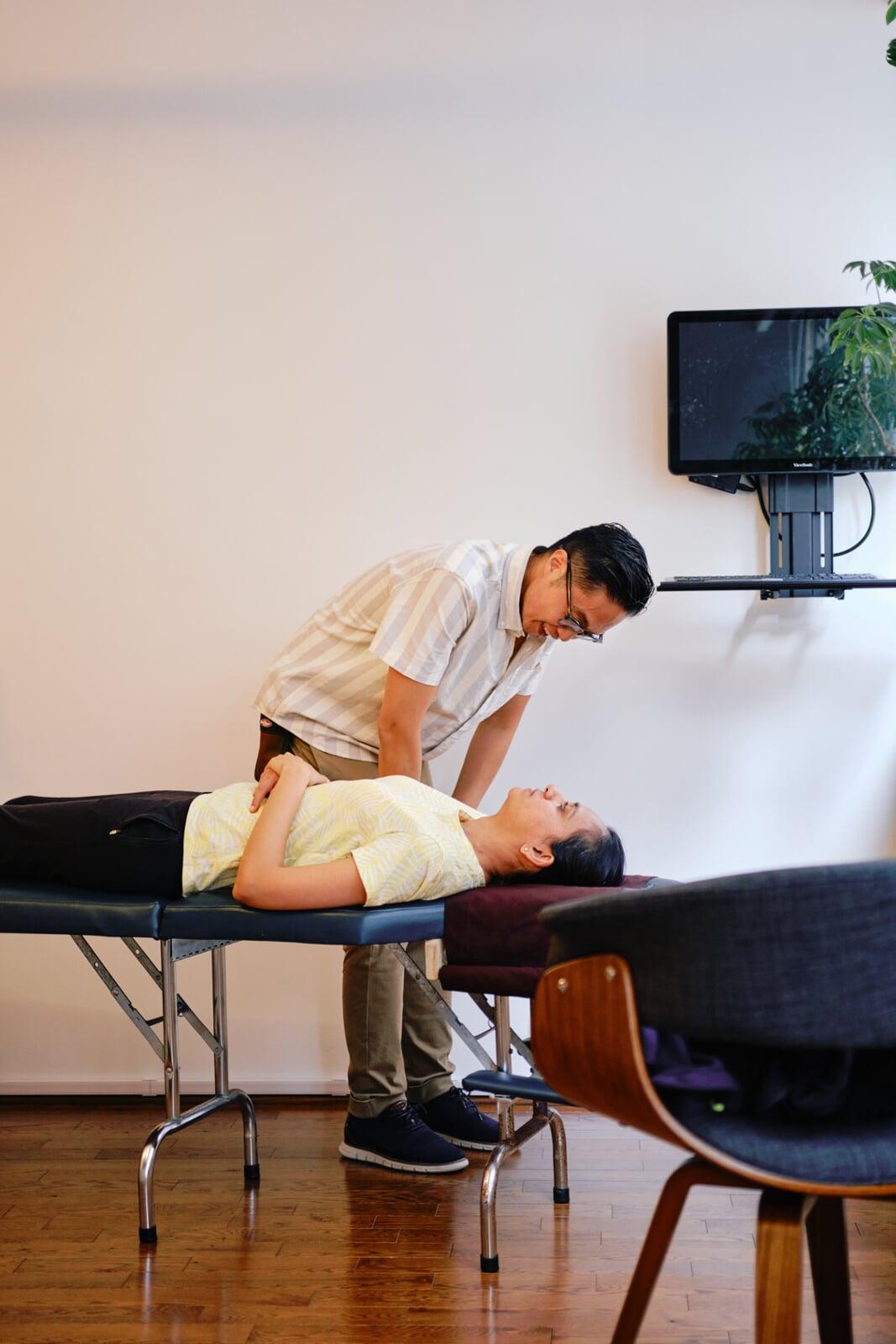
Shoulder pain is rarely “just a shoulder problem.” For many people, it develops when posture, spinal alignment, and movement patterns place ongoing strain through the shoulder and surrounding tissues. Pain may be felt at the shoulder, but the cause is often influenced by how the neck, upper back, ribs, and shoulder blade are functioning together.
If posture feels abstract, learning how posture works can provide helpful context for why shoulder strain may develop over time.
At Source Chiropractic, we focus on identifying why your shoulder is irritated – not just where it hurts. If shoulder pain is limiting your sleep, work, exercise, or daily activities, we’re here to help.
In Ontario, you do not need a medical referral to see a chiropractor. If you’re experiencing shoulder pain, reduced mobility, or tension related to posture or desk work, you can book an assessment directly.

Clinically reviewed by Dr. Leo Quan, Doctor of Chiropractic
Source Chiropractic – Downtown Toronto
Last updated: March 2026
WHAT SHOULDER PAIN CAN FEEL LIKE
Shoulder pain doesn’t always present the same way. You may notice:
Pain when lifting your arm overhead or reaching behind you
A dull ache through the shoulder, upper arm, or shoulder blade
Sharp pain with certain movements
Stiffness, weakness, or reduced range of motion
Pain that worsens with desk work or prolonged sitting
In many cases, these symptoms develop gradually rather than from a single injury – especially when posture or spinal mechanics place repeated stress on the shoulder over time.
WHAT PEOPLE MEAN BY
“SHOULDER PAIN”
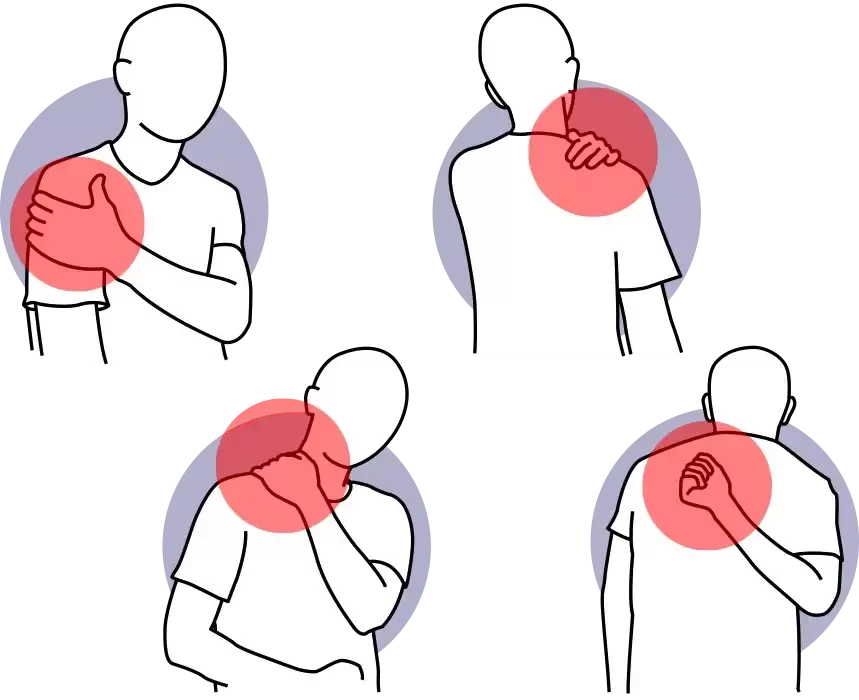
When people say “shoulder pain,” they can be referring to different areas – and each may involve different underlying contributors.
Top of the shoulder or base of the neck – commonly influenced by neck function, posture, or nerve irritation
Front or side of the shoulder joint – often related to the shoulder capsule, rotator cuff loading, or restricted joint movement
Back of the shoulder or between the shoulder blades – frequently associated with rib motion, upper back mechanics, or spinal alignment
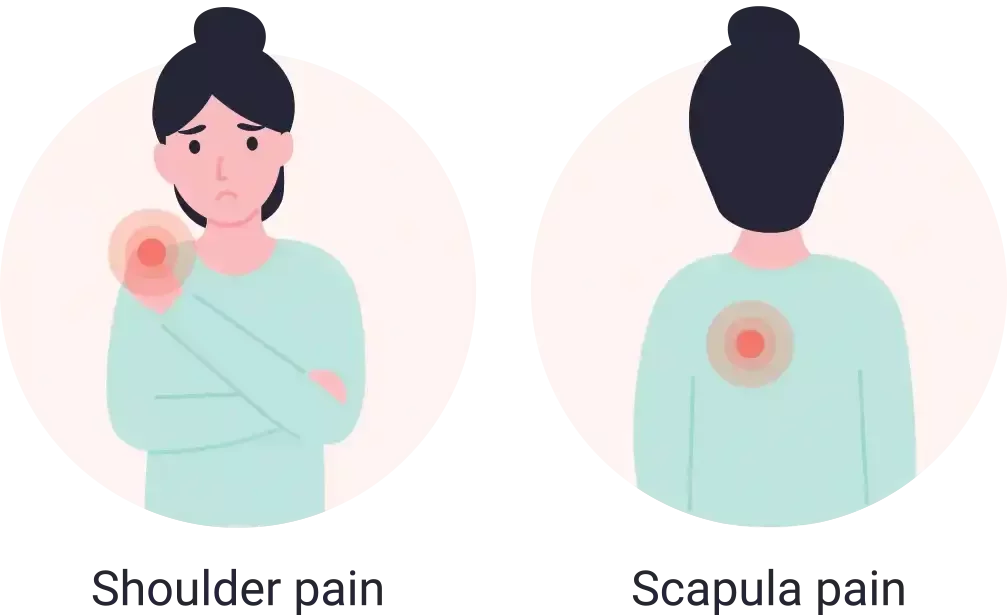
Because these regions work together, pain felt in the shoulder doesn’t always originate where it’s felt. This overlap is why shoulder pain can be confusing – and why a thorough assessment matters.
WHY SHOULDER PAIN OFTEN DEVELOPS
The shoulder is designed for mobility, but that mobility depends on stability and coordination from the spine, rib cage, and shoulder blade. When posture changes – such as forward head position, rounded shoulders, or uneven weight distribution – the shoulder joint is forced to move from a compromised position.
This type of posture-related strain can overload the rotator cuff, irritate surrounding tissues, and alter normal movement patterns. Over time, this may lead to persistent pain, weakness, or recurring flare-ups.
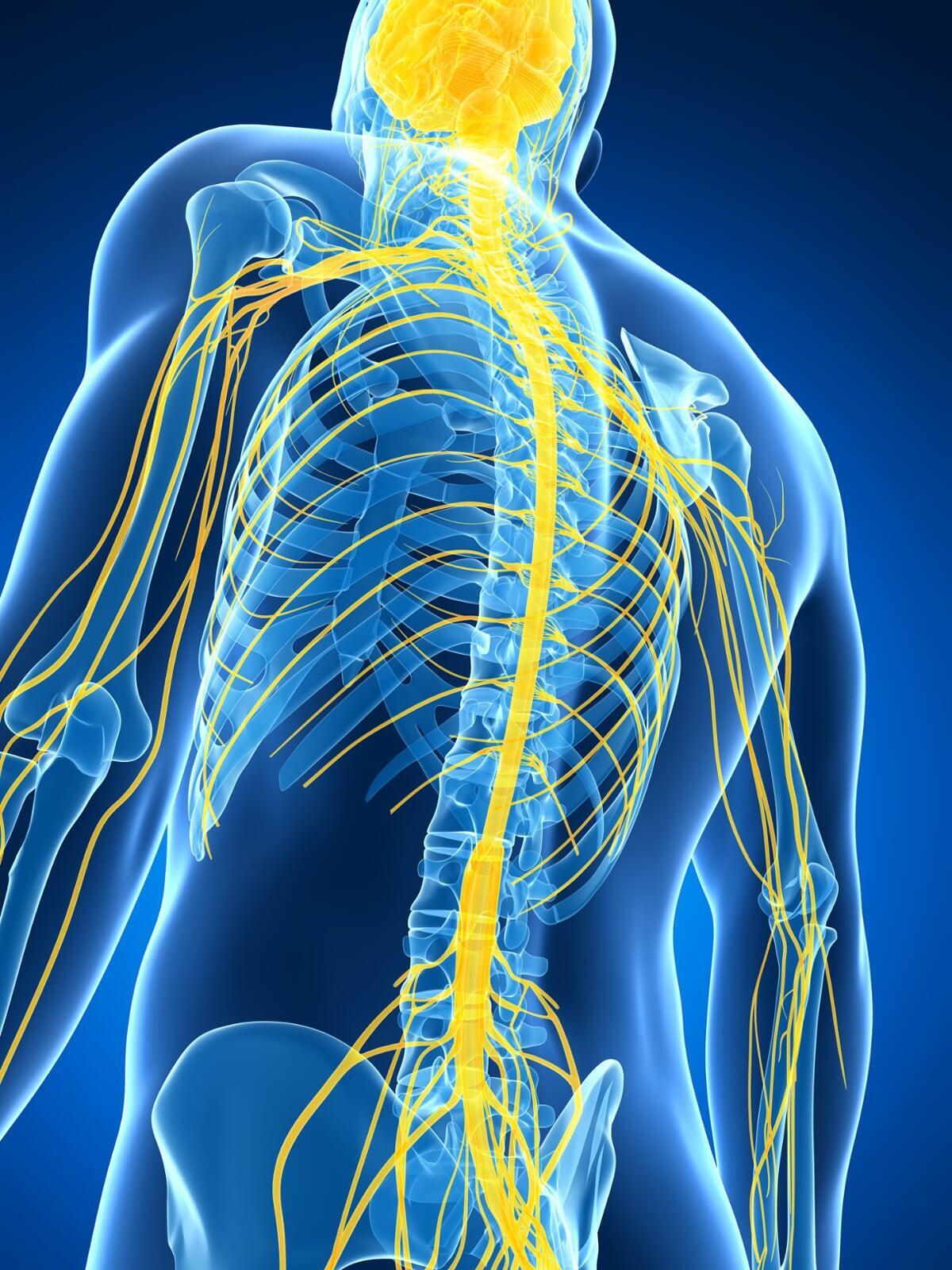
Importantly, shoulder pain may also be influenced by the neck and upper back, even when neck pain isn’t the primary complaint. Changes in spinal motion or nerve function can affect how the shoulder muscles coordinate and tolerate load.

OUR APPROACH TO SHOULDER PAIN
Because shoulder pain can originate from different regions, assessment focuses on posture, spinal function, and movement coordination, including consideration of how spinal and nervous system signaling may be influencing muscle control, tension, and movement patterns.
To learn more about how we assess and guide care across the body, visit our Assessment & Care Approach.
SHOULDER PAIN AND RELATED CONDITIONS
Many people with shoulder pain also experience neck stiffness, headaches, or upper back discomfort. These patterns are often connected rather than coincidental.
When the underlying mechanics are addressed, improvement is often seen across multiple areas – rather than chasing symptoms from one location to another.
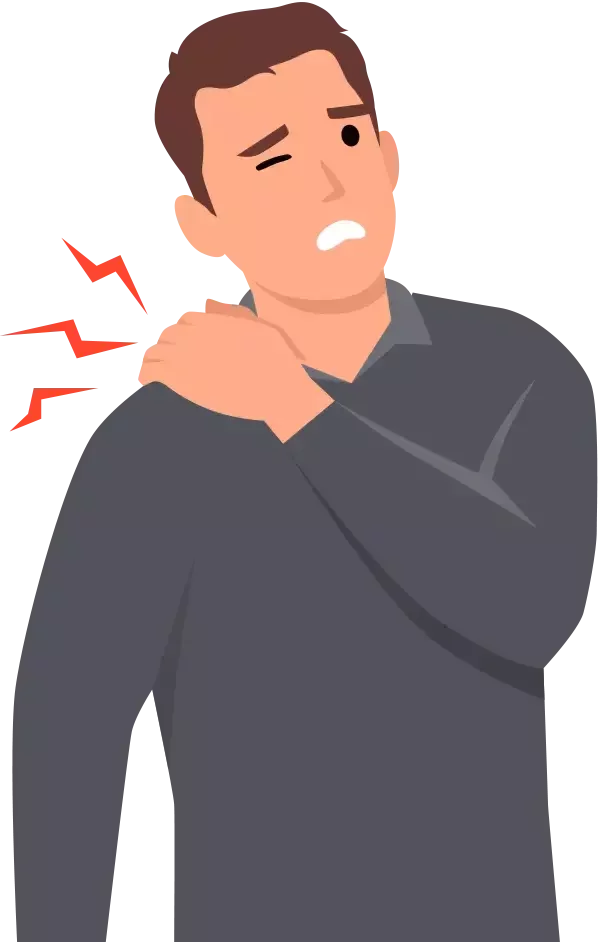
WHEN TO SEEK CARE
You should consider a professional assessment if:
Shoulder pain has lasted more than a few days
Pain is recurring or gradually worsening
Movement feels restricted, unstable, or weak
Pain is interfering with sleep, work, or exercise
Persistent discomfort after desk work and screen use
Early evaluation often makes care simpler and more effective.
RELATED CONDITIONS
YOUR CHIROPRACTOR
Care is provided by Dr. Leo Quan, a licensed chiropractor in Ontario practicing in downtown Toronto since 2011.
ABOUT THE CHIROPRACTOR
Dr. Leo Quan is a Doctor of Chiropractic practicing at Source Chiropractic in downtown Toronto. Dr. Leo is licensed in Ontario and regularly evaluates shoulder pain associated with postural strain, upper back tension, and prolonged desk work.

NEXT STEPS
If shoulder pain is holding you back, the first step is understanding what’s driving it. We’ll take the time to assess your posture, movement, and spinal function so your care plan is tailored to you – not just your symptoms.
Our clinic in downtown Toronto is easily accessible for professionals working near King-Spadina and the Financial District.
You don’t need a diagnosis or referral to book an assessment. If we determine chiropractic care isn’t appropriate for your situation, we’ll tell you – clearly and honestly.
Book your assessment today and take the first step toward restoring comfortable, confident movement.
- No medical referral required
- Most extended health plans accepted
- Located in downtown Toronto – King West / Entertainment District