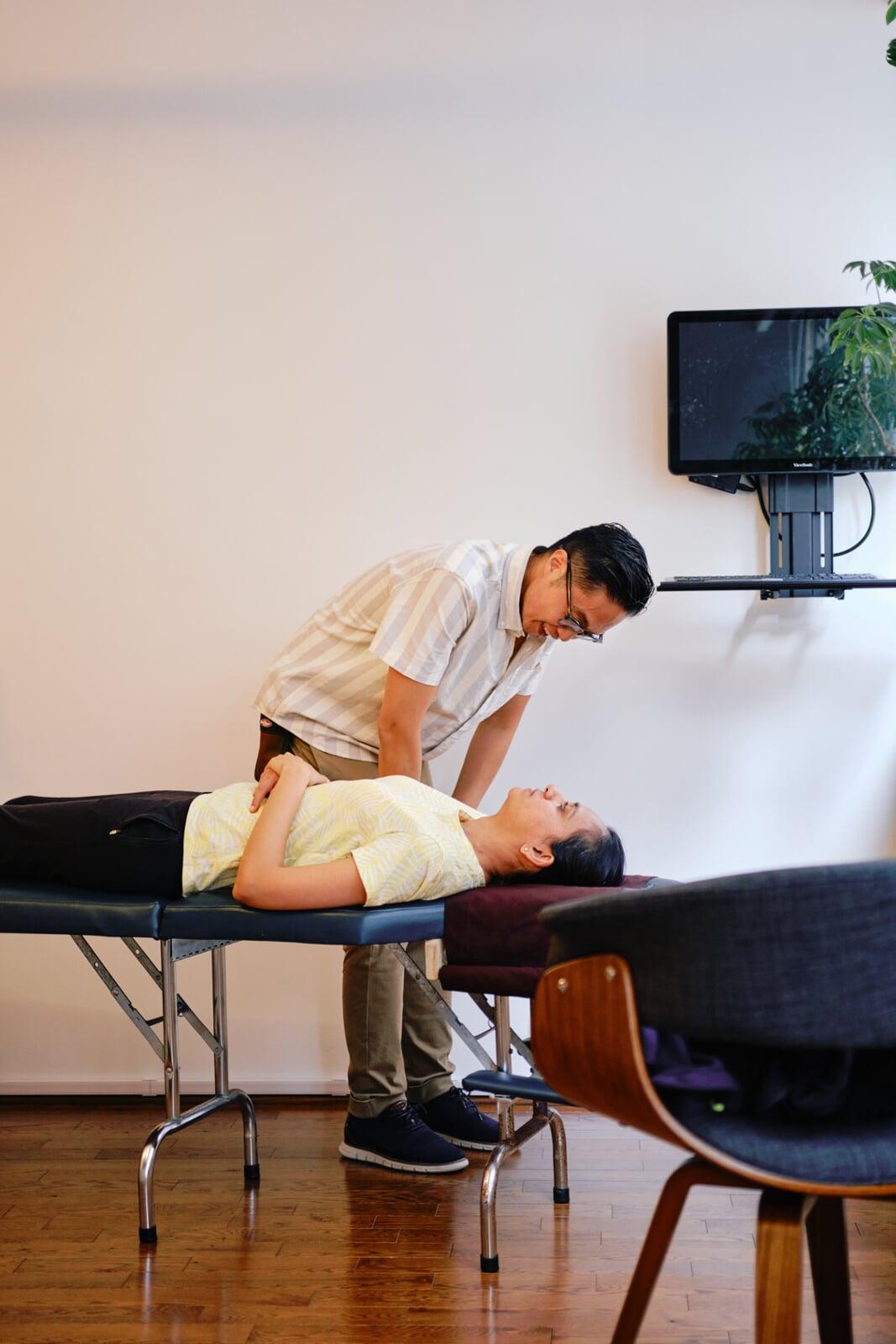
HEADACHE & MIGRAINE CHIROPRACTIC CARE
Clinically reviewed by Dr. Leo Quan, Doctor of Chiropractic
Source Chiropractic – Downtown Toronto
Last updated: September 2026
Headaches and migraines are common – but they are not normal, and they are not something you should simply “learn to live with.” Many people rely on painkillers or try to push through symptoms without ever identifying why the headaches keep coming back. At Source Chiropractic, we take a different approach: we look for the underlying cause and address it directly.
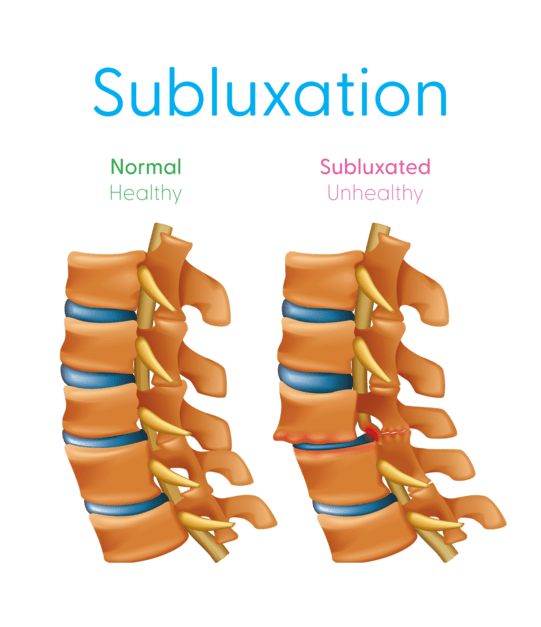
Headaches are often the result of spinal stress, postural strain, muscle tension, and nervous system irritation – especially in the neck and upper back. When these areas are not moving or functioning properly, they can trigger recurring pain patterns that show up as tension headaches, cervicogenic headaches, or migraines.
In Ontario, you do not need a medical referral to see a chiropractor. If you’re experiencing frequent headaches or tension related to neck and posture strain, you can book an assessment directly.
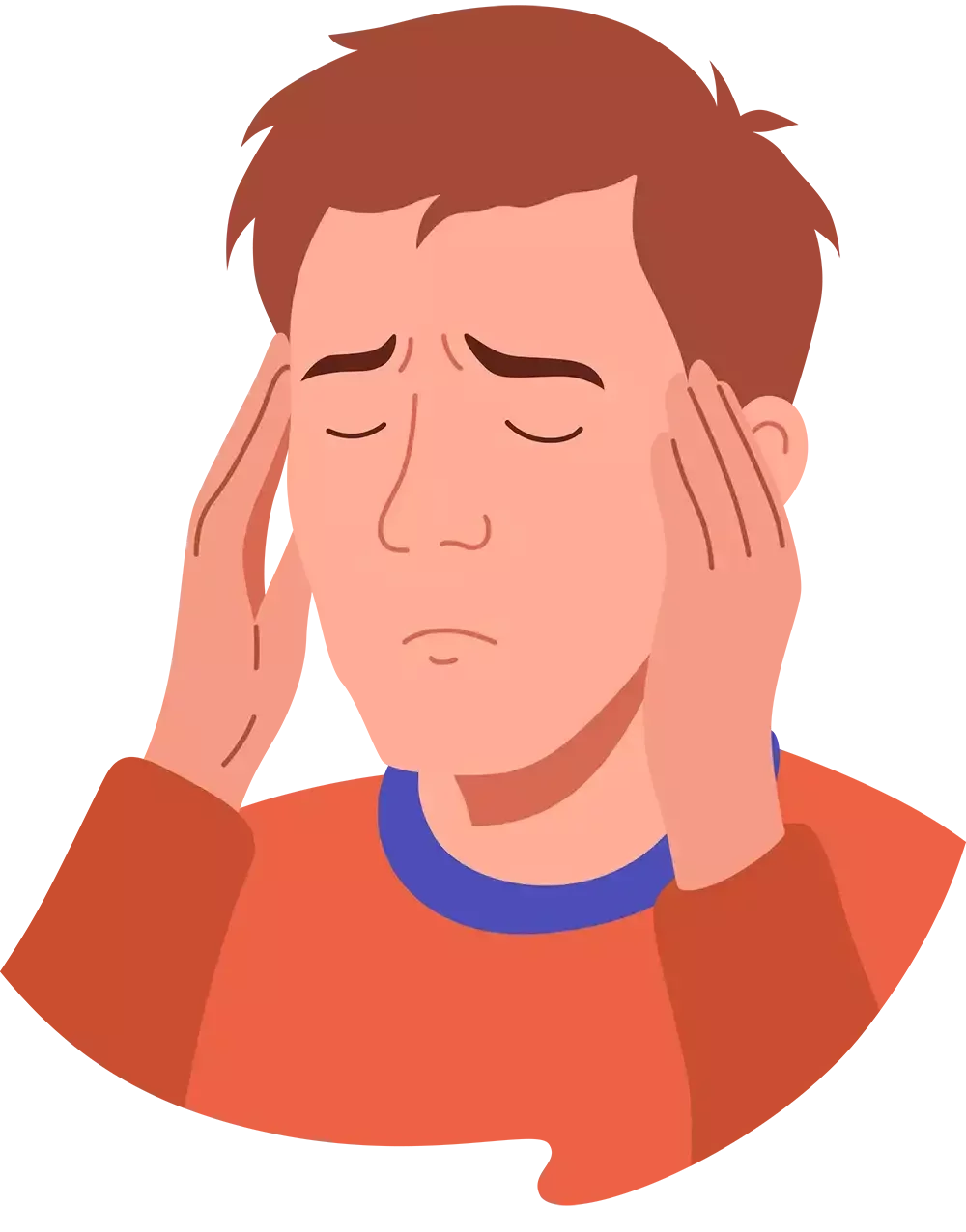
TYPES OF HEADACHES WE COMMONLY SEE
While every case is unique, people commonly seek chiropractic assessment for headache patterns such as:
Tension headaches related to neck and shoulder tightness
Headaches associated with prolonged screen use or postural stress on the neck (including headaches that gradually build throughout the workday)
Cervicogenic headaches that originate from the neck
Migraines with or without visual symptoms
Headaches that worsen with stress, fatigue, or lack of sleep
Headaches that appear during or after long periods of desk or computer work may occur alongside neck tension, upper shoulder tightness, jaw clenching, pressure behind the eyes, or symptoms that gradually build through the workday.
If that pattern sounds familiar, our dedicated guide looks more closely at how prolonged computer use, reduced movement, work habits, and neck tension may contribute to recurring headaches.
→ Learn more about Headaches After Computer Work
WHY THE NECK AND SPINE MATTER
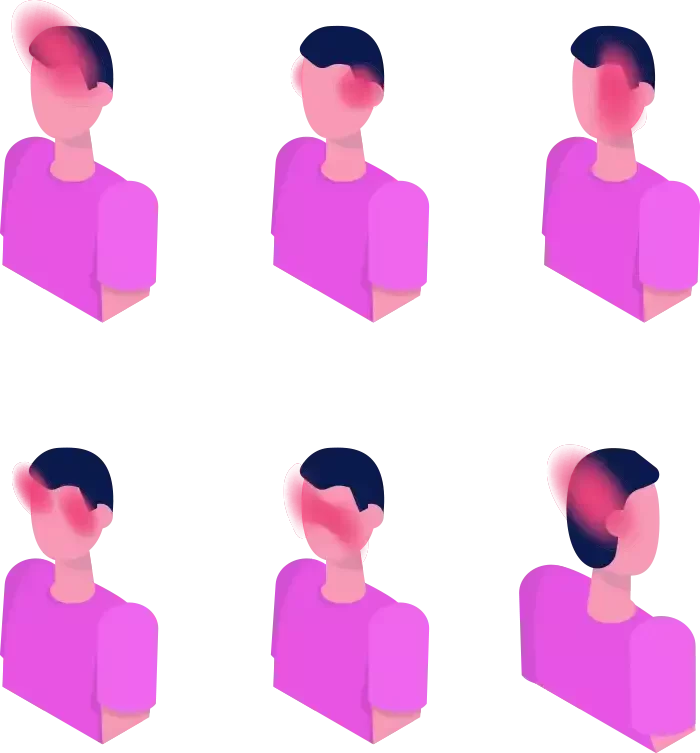
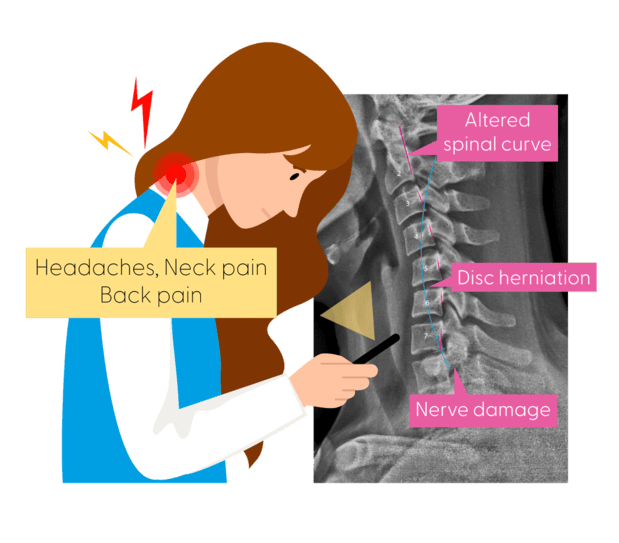
The neck plays a major role in headache and migraine patterns. It supports the head, protects the spinal cord, and houses nerves that directly influence head and facial pain. Poor posture, past injuries (including old car accidents or sports injuries), repetitive strain, and spinal degeneration can all place abnormal stress on these structures.
If you’re curious how posture connects to tension patterns in the neck and head, learning how posture works can provide helpful context for recurring headaches.
Many patients are surprised to learn that what they experience as recurring headaches is often closely connected to unresolved neck pain, stiffness, or loss of normal movement in the cervical spine. When the joints and muscles of the neck are not functioning properly, irritation can travel upward and present as head pain rather than localized neck symptoms.
Over time, this stress can disrupt normal joint movement, muscle balance, and nerve signaling – creating a cycle of tension and irritation that leads to recurring headaches.
HOW WE APPROACH HEADACHES AND MIGRAINES
Headaches and migraines are often influenced by neck function, posture, muscle tension, and how the nervous system is processing strain. Even when pain is felt in the head, contributing factors are frequently found elsewhere.
Assessments may include postural analysis, evaluation of the neck and upper back, and consideration of how spinal and nervous system signaling may be influencing muscle control, tension, and movement patterns.
To learn more about how we assess these contributing factors, visit our Assessment & Care Approach.

MORE THAN TEMPORARY RELIEF
Many people seek care during a headache episode, but lasting improvement comes from addressing the root cause. Dr. Leo’s focus is on reducing frequency, intensity, and dependency on medications by improving spinal function and nervous system health over time.
Some patients notice early relief, while others experience more gradual improvement depending on how long the problem has been present and the condition of the spine. Either way, care is personalized and progress is monitored.
WHEN TO CONSIDER CHIROPRACTIC CARE FOR HEADACHES
You may want to have your spine evaluated if:
Headaches or migraines keep returning
You rely on medication to function
Headaches start in the neck or base of the skull
Symptoms worsen with posture or desk work
You’ve had past injuries that were never fully addressed
Even if headaches feel “manageable,” recurring symptoms are often a sign that something deeper needs attention.
RELATED CONDITIONS
YOUR CHIROPRACTOR
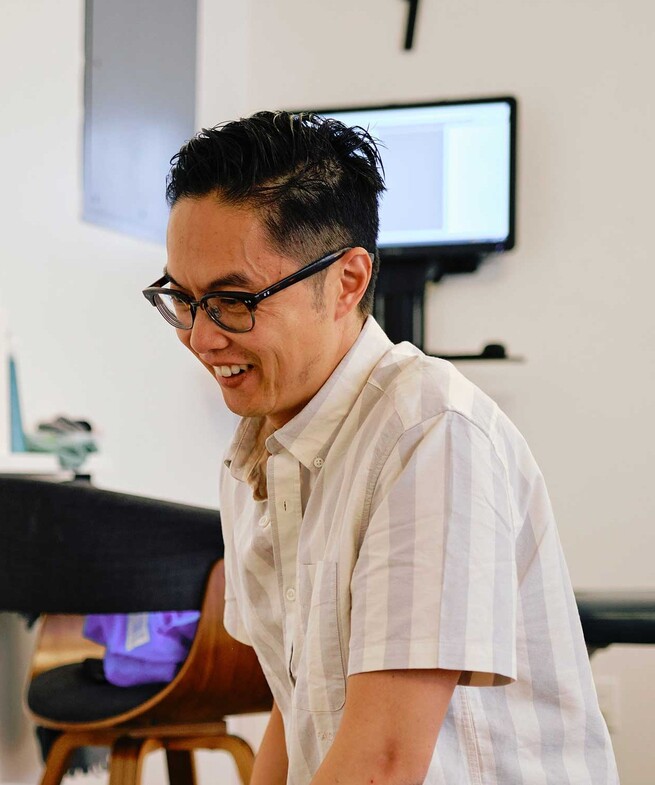
Care is provided by Dr. Leo Quan, a licensed chiropractor in Ontario practicing in downtown Toronto since 2011.
ABOUT THE CHIROPRACTOR
Dr. Leo Quan is a Doctor of Chiropractic practicing at Source Chiropractic in downtown Toronto. Dr. Leo is licensed in Ontario and regularly evaluates tension headaches related to cervical posture, muscle tension, and desk-related strain.
START WITH ANSWERS
If headaches or migraines are affecting your quality of life, the first step is understanding what’s causing them. At Source Chiropractic, we focus on clarity, education, and care that makes sense – so you’re not left guessing.
If you’re ready to explore whether chiropractic care is appropriate for your headaches or migraines, book an initial consultation and start with answers.You don’t need a diagnosis or referral to book an assessment. If we determine chiropractic care isn’t appropriate for your situation, we’ll tell you – clearly and honestly.
If you’ve never seen a chiropractor before, you can review what to expect at your first visit and how we assess spinal alignment and nervous system function.
Our downtown Toronto chiropractic clinic near King-Spadina makes it convenient for professionals experiencing neck pain to access care.
- No medical referral required
- Most extended health plans accepted
- Located in downtown Toronto – King West / Entertainment District