POSTURE-RELATED STRAIN AND PERSISTENT DISCOMFORT
Posture-related strain develops when the body is asked to tolerate the same positions and loads day after day without adequate variation or recovery. Rather than a sudden injury, this type of discomfort builds gradually as tissues and joints are repeatedly stressed in similar ways.
Many people experience posture-related strain without realizing posture is contributing at all.
WHAT WE MEAN BY POSTURE-RELATED STRAIN
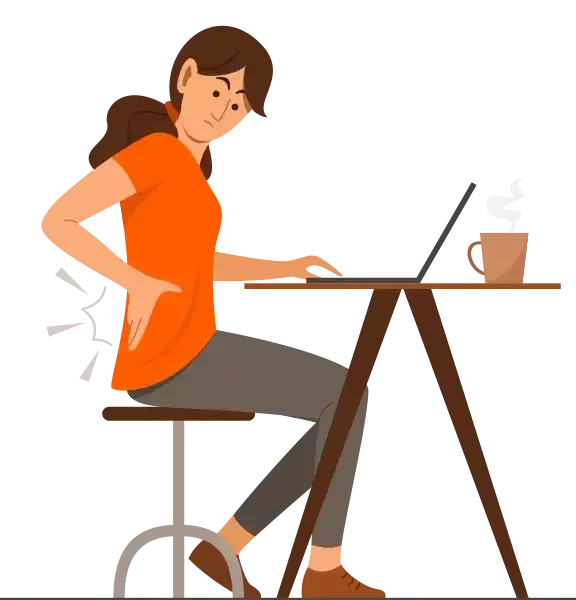
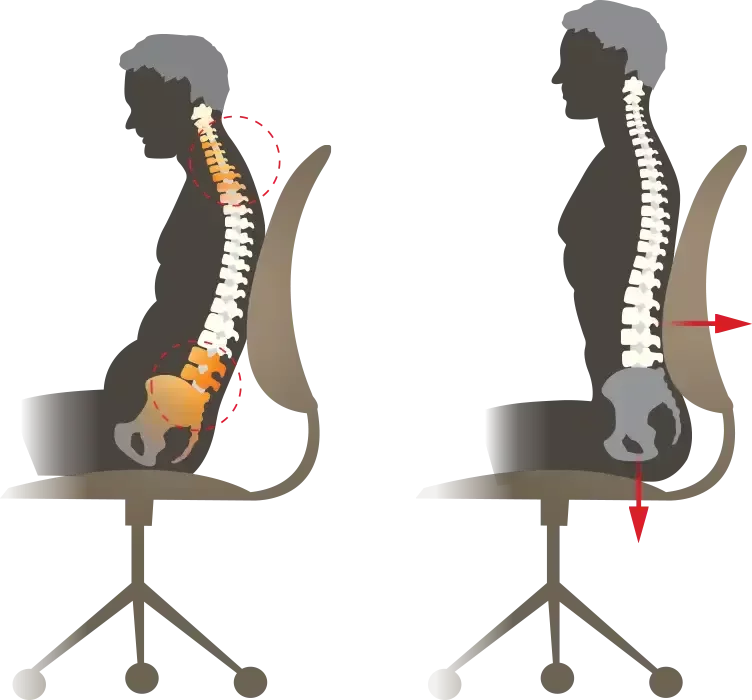
Posture-related strain refers to ongoing stress in the spine and supporting tissues that results from sustained or repetitive postural demands. Muscles may remain overactive, joints may become restricted, and certain areas of the spine begin carrying more load than others.
This often shows up as discomfort that:
develops slowly
fluctuates throughout the day
improves temporarily, then returns
shifts between different areas
Because the onset is gradual, it’s common for people to feel something is “off” without being able to point to a specific cause.
HOW THIS DIFFERS FROM
AN INJURY
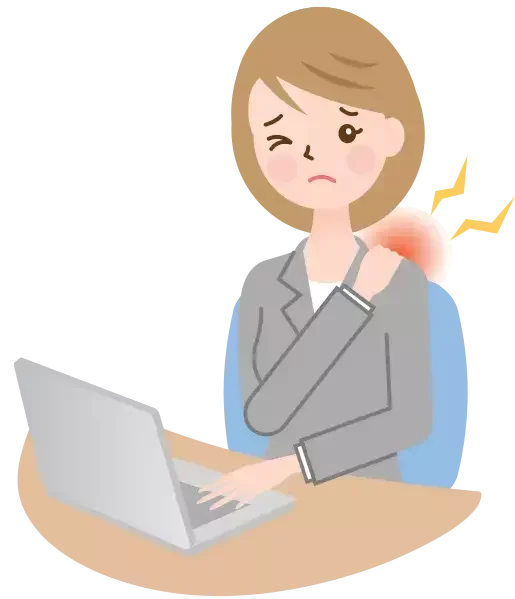
Unlike acute injuries, posture-related strain usually isn’t tied to a single event. There may be no fall, twist, or moment where something clearly went wrong. You may simply be sitting or standing at your desk for prolonged periods, often without realizing how those repeated demands accumulate over time.
This is commonly seen in people dealing with desk work, tech neck, and office-related strain, where the body adapts quietly until its ability to compensate is exceeded.
WHY SYMPTOMS CAN
MOVE AROUND
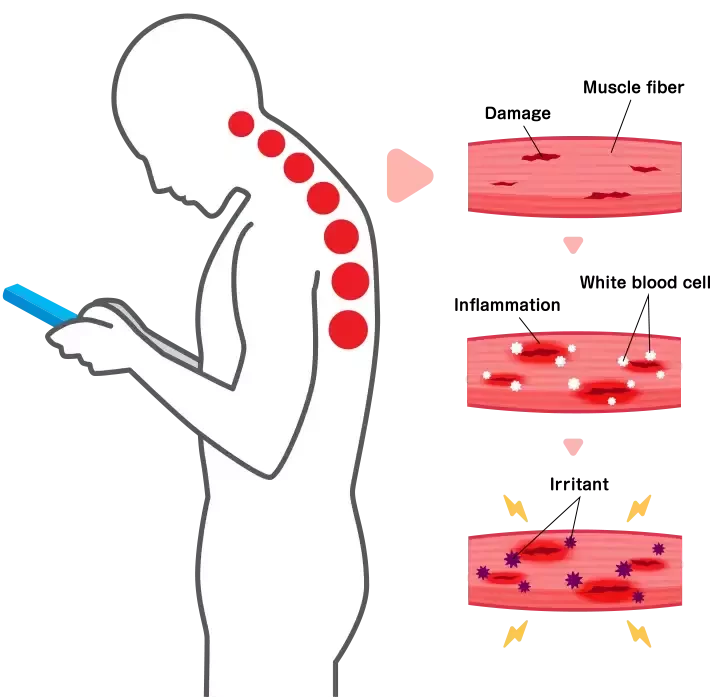
- neck and shoulder tension
- upper, mid or low-back stiffness
- headaches during prolonged desk work or screen use
- a generalized sense of heaviness or fatigue through the neck or back
Some people notice that headaches become more frequent during long periods at a computer, particularly when they occur alongside neck tension, shoulder tightness, or reduced movement.
→ Learn more about Headaches After Computer Work
Symptoms may change in location or intensity over time, which is one reason assessment looks at the overall pattern rather than focusing only on the area that currently hurts.
WHY RELIEF DOESN’T
ALWAYS LAST
Movement, stretching, and hands-on care can temporarily reduce tension and improve comfort. However, if the underlying postural demands don’t change, the body often returns to the same stress patterns once daily routines resume.
Understanding how posture is contributing helps explain why relief can be short-lived without addressing how the body is managing load.
HOW THIS CONNECTS BACK TO POSTURE
Posture-related strain isn’t about having “bad posture.” It’s about how the body is responding to sustained demands over time.
If you haven’t already, learning how posture works can provide helpful context for why this type of strain develops.
RELATED CONDITIONS
Care is provided by Dr. Leo Quan, a licensed chiropractor in Ontario registered with the College of Chiropractors of Ontario, practicing in downtown Toronto since 2011.