NECK PAIN TREATMENT IN TORONTO: ASSESSMENT-FOCUSED CHIROPRACTIC CARE
Clinically reviewed by Dr. Leo Quan, Doctor of Chiropractic
Source Chiropractic – Downtown Toronto
Last updated: September 2026
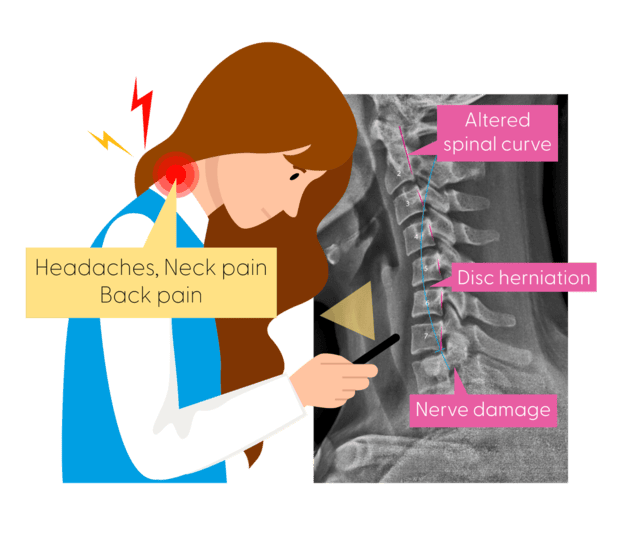
WHY NECK PAIN HAPPENS
Neck pain isn’t a single problem – it’s a symptom that can have many contributing factors. These may include prolonged desk and technology use, repetitive movements, previous injuries, reduced movement, muscle and joint irritation, and posture-related physical stress.
Because similar symptoms can arise for different reasons, assessment is important for identifying the factors that may be contributing in your particular situation.
Neck pain and headaches frequently occur together, particularly among people who spend long hours at a desk.

WHEN DOES NECK PAIN TYPICALLY OCCUR?
Neck pain doesn't always begin after a single injury. For many people, symptoms develop gradually and become noticeable during everyday activities or at specific times of the day. Recognizing when your neck pain occurs can provide valuable clues about the structures involved and help guide an appropriate assessment.
Whether your symptoms began suddenly or have been recurring for months or years, understanding the pattern of your discomfort is often the first step toward finding lasting relief.
From below, explore the situation that best describes your experience:

Neck Pain of Stiffness in the Morning
Waking with neck pain or stiffness can make it difficult to start your day. Sleeping position, pillow support, muscle tension, and underlying joint or movement issues may all contribute.
How your symptoms behave after waking can also provide useful clues. Some people notice stiffness that gradually improves with movement, while others continue to feel discomfort throughout the day or find that symptoms worsen with activity.
The timing, severity, and duration of your symptoms can help identify potential contributing factors and guide appropriate recommendations for assessment and care.

Neck Pain After Desk Work
Hours spent working at a computer can place sustained stress on the muscles and joints of the neck and upper back. Poor workstation ergonomics, prolonged sitting, and forward head posture may contribute to stiffness, muscle fatigue, headaches, and recurring neck pain that worsens as the workday progresses.

Neck Pain While Driving

Neck Pain When Turning Your Head

Neck Pain With Headaches
Many headaches are accompanied by neck stiffness or soreness. Tension in the muscles and joints of the upper neck may contribute to headaches that begin at the base of the skull and spread toward the forehead, temples, or behind the eyes. Careful assessment is important to determine whether the neck may be playing a role.
If headaches tend to build during long periods at a computer, see Headaches After Computer Work.

SIGNS YOUR NECK PAIN DESERVES ASSESSMENT
Neck pain does not need to be severe or long-standing before it is worth understanding. Consider a professional assessment if you experience:
- New or unexplained neck pain
- Neck pain following an injury, fall, collision, lifting incident, or other significant physical stress
- Stiffness or pain first thing in the morning
- Symptoms that repeatedly return or gradually become more frequent
- Pain extending into the shoulders, upper back, or arms
- Headaches occurring alongside neck stiffness or tension
- Persistent discomfort after desk work, computer use, driving, or prolonged sitting
- Reduced range of motion or difficulty turning your head
- Clicking, grinding, or a feeling that the neck is “stuck”
- Numbness, tingling, weakness, or altered sensation in the arms or hands
- Symptoms that interfere with sleep, work, exercise, driving, or everyday activities
The intensity of pain alone does not always indicate how significant the underlying problem may be. Assessment can help determine what may be contributing, whether further investigation is appropriate, and whether chiropractic care is suitable for your situation.
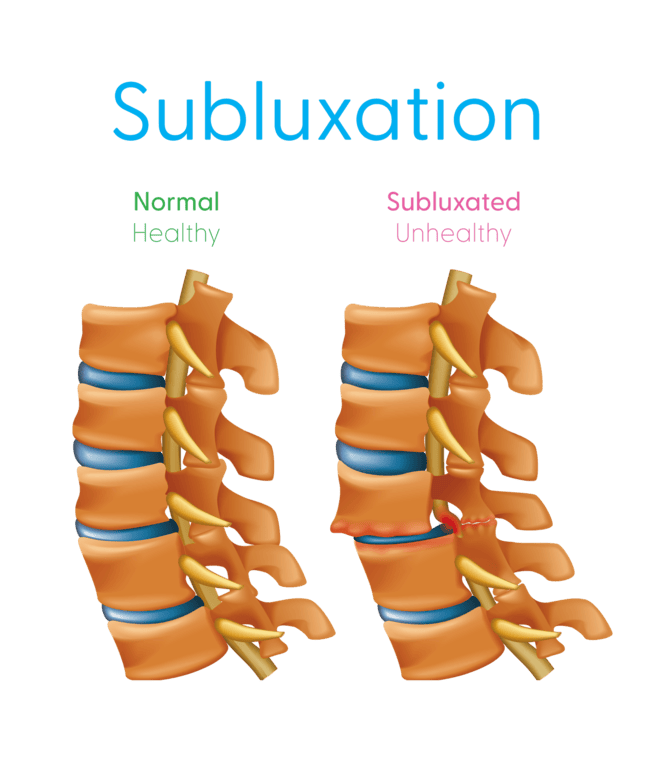
Neck pain can be influenced by several factors, including the way symptoms began, how the neck is moving, areas of joint or muscle tension, posture, work demands, previous injuries, and whether the nerves are involved.
Your assessment begins with a detailed history of your symptoms, including when the pain started, what aggravates or relieves it, whether it travels into the shoulders or arms, and how it affects sleep, work, driving, or everyday activities.
The physical examination may include:
- Neck range-of-motion and movement testing
- Postural assessment
- Examination of the joints and surrounding soft tissues
- Neurological testing when indicated
- Evaluation of muscle control, tension, and movement patterns
- Consideration of whether imaging or referral to another healthcare provider is appropriate
The goal is not simply to identify where you feel pain. It is to better understand what may be contributing, whether chiropractic care is suitable, and what next steps are most appropriate for your situation.
To learn more about how findings are evaluated and used to guide recommendations, visit our Assessment & Care Approach page.

Wondering what your appointment involves?
REAL PEOPLE, REAL RESULTS
“Dr. Leo is without doubt a one of a kind Chiropractor. I came in because of my chronic stiff neck, I had no idea that his adjustments were going to heal a host of issues that truly disrupted my life. Issues I was told I would likely have to cope with for the rest of my life. Insomnia, sensory disorder and digestive issues to name a few, I had no idea Chiro care was going to be essential for my well being. Oh and thank you for the very informative sessions, the atmosphere of care in your clinic and cheering me on through my studies Dr. Leo. I truly don’t think I would have been this successful without your care and expertise.”

Patient testimonial. Individual experiences vary.
FREQUENTLY ASKED QUESTIONS ABOUT NECK PAIN

WHY CHOOSE SOURCE CHIROPRACTIC FOR NECK PAIN CARE
Choosing a chiropractor for neck pain is not only about seeking short-term symptom relief. It is also about understanding what may be contributing to the problem, receiving clear recommendations, and knowing how progress will be evaluated.
At Source Chiropractic, neck pain care is guided by:
- An assessment-first approach – recommendations are based on your history, examination findings, symptoms, and individual circumstances.
- Clear explanations – Dr. Leo explains what was found, what it may mean, and whether chiropractic care is appropriate for your situation.
- Clinically indicated investigation – imaging is considered when it is expected to provide useful information for diagnosis or care planning, rather than being ordered routinely.
- Measurable progress – findings and function can be reassessed over time to determine whether care is producing meaningful change.
- Honest clinical guidance – if chiropractic care is not appropriate, or another healthcare provider or further investigation is needed, you will be told clearly.
- Experience with downtown professionals – Dr. Leo has practised in downtown Toronto since 2011 and regularly assesses neck pain associated with desk work, prolonged computer use, posture-related strain, and recurring tension.
Source Chiropractic is located near Peter and Adelaide, making it convenient for people who live or work in King West, the Entertainment District, and the Financial District.
Learn more about why patients choose Source Chiropractic and our Assessment & Care Approach.

OTHER SYMPTOMS THAT OFTEN OCCUR WITH NECK PAIN
Neck pain does not always occur in isolation. Many people also notice headaches, jaw tension, shoulder discomfort, or symptoms that worsen during prolonged desk work.
Long hours at computers and phones can contribute to recurring tension throughout the neck, shoulders, and upper back.
Recurring headaches that build during the workday may occur alongside neck stiffness, shoulder tension, jaw clenching, or prolonged screen use.
Jaw clenching, facial tension, and neck discomfort frequently occur together, particularly during periods of stress or prolonged concentration.
Headaches have many possible causes. Learn more about recurring headache and migraine patterns, including when neck-related factors may be contributing.
ABOUT DR. LEO QUAN
Dr. Leo Quan is a Doctor of Chiropractic at Source Chiropractic in downtown Toronto and has been practicing since 2011.
He regularly assesses people experiencing neck pain, stiffness, headaches, posture-related strain, and symptoms associated with prolonged desk work and computer use.
Dr. Leo is licensed to practise chiropractic in Ontario and focuses on understanding the factors contributing to each patient’s symptoms before recommending care.

NEXT STEPS
📞 416-923-4325 – call or text
📍 326 Adelaide St W, Suite 301, Toronto, ON M5V 1R3
Source Chiropractic is located at Peter & Adelaide, near King West and the Entertainment District.
No medical referral required
Most extended health plans accepted
Findings and recommendations explained before care decisions are made