TMJ & JAW TENSION RELIEF IN DOWNTOWN TORONTO
Clinically reviewed by Dr. Leo Quan, Doctor of Chiropractic
Source Chiropractic – Downtown Toronto
Last updated: March 2026
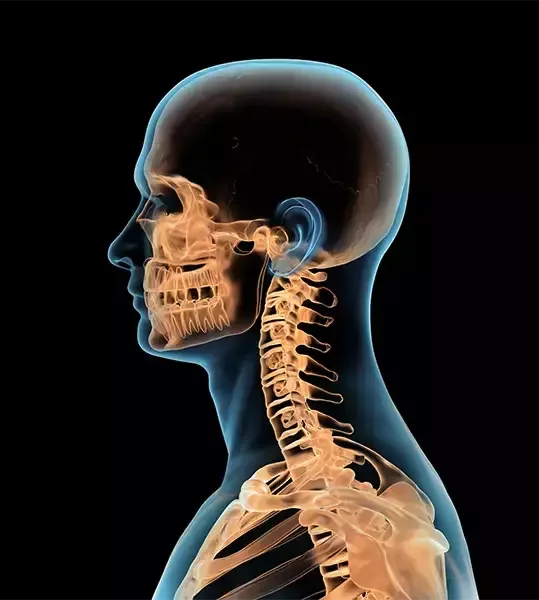
Jaw pain, clicking, clenching, or tension that never seems to fully relax can be frustrating – especially when it starts to affect your head, neck, sleep, or ability to focus. Many people don’t realize that the jaw is not an isolated joint. It is closely tied to the upper neck, posture, breathing, and the nervous system that coordinates all of it.
If posture feels abstract, learning how posture works can help explain how patterns of tension in the neck and jaw may develop.
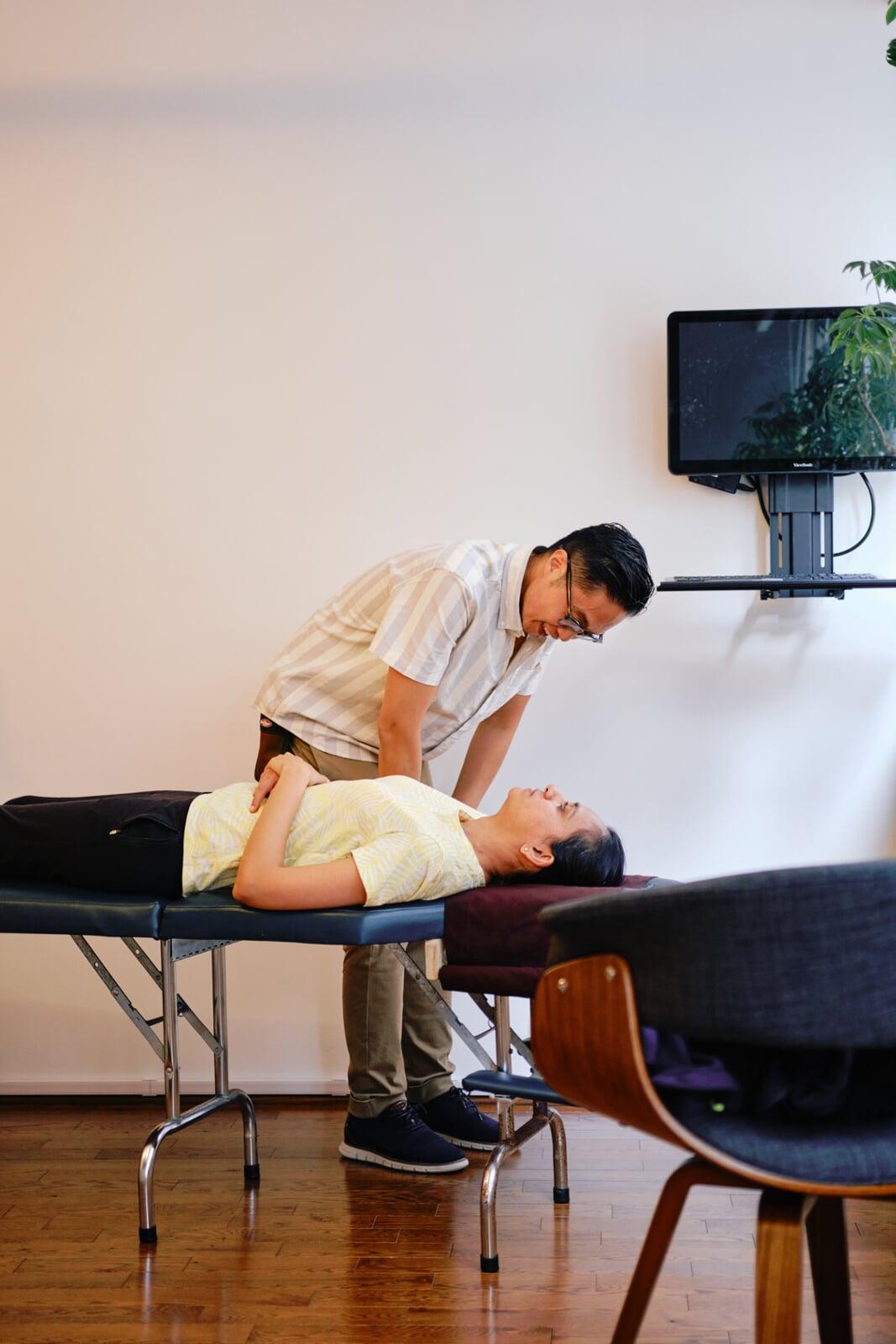
At Source Chiropractic, we approach TMJ and jaw tension by looking at how the nervous system is managing stress, alignment, and movement, not just the jaw itself.
In Ontario, you do not need a medical referral to see a chiropractor. If you’re experiencing jaw pain, clicking, tension headaches, or discomfort related to TMJ strain, you can book an assessment directly.
START WITH ANSWERS
If your jaw feels tight, sore, or overworked, it’s often a sign that your nervous system is stuck in a protective pattern. The jaw commonly becomes a “holding area” for stress, instability, or poor coordination between the head, neck, and spine. Chiropractic care can help restore balance by improving spinal alignment, reducing nervous system tension, and supporting healthier jaw movement.
If you’re looking for clarity and a plan rather than another temporary fix, we’re here to help.
COMMON TMJ & JAW TENSION SYMPTOMS
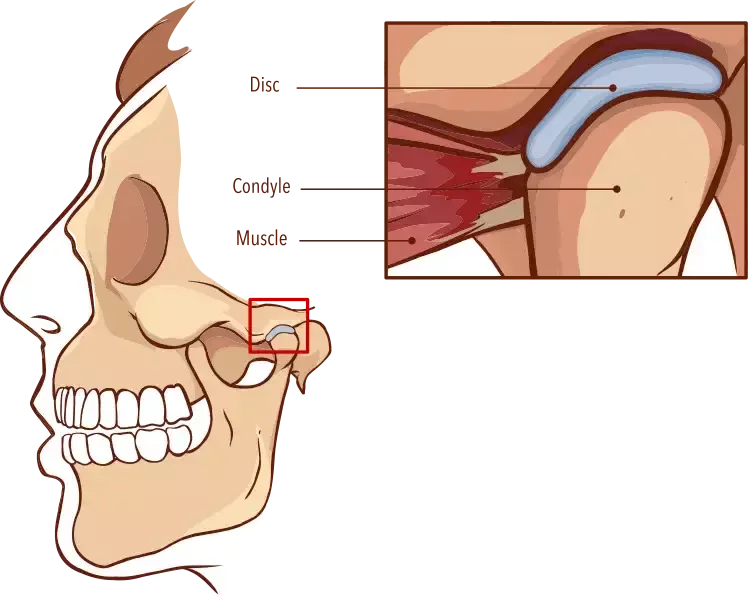
Jaw-related issues show up in many ways, including:
Jaw pain or soreness, especially in the morning
Clicking, popping, or grinding with opening or chewing
Facial tension or tightness around the temples
Headaches or migraines that start near the jaw or neck
Ear pressure, ringing, or a “full” sensation
Neck and shoulder tension that won’t resolve
Clenching or grinding during sleep or periods of stress
These symptoms often fluctuate because they are influenced by posture, stress levels, breathing patterns, and nervous system regulation.

WHY THE JAW AND NERVOUS SYSTEM ARE CONNECTED
The jaw does not function independently. It is neurologically and mechanically connected to:
The upper cervical spine
The muscles of posture and breathing
The stress response (fight-or-flight)
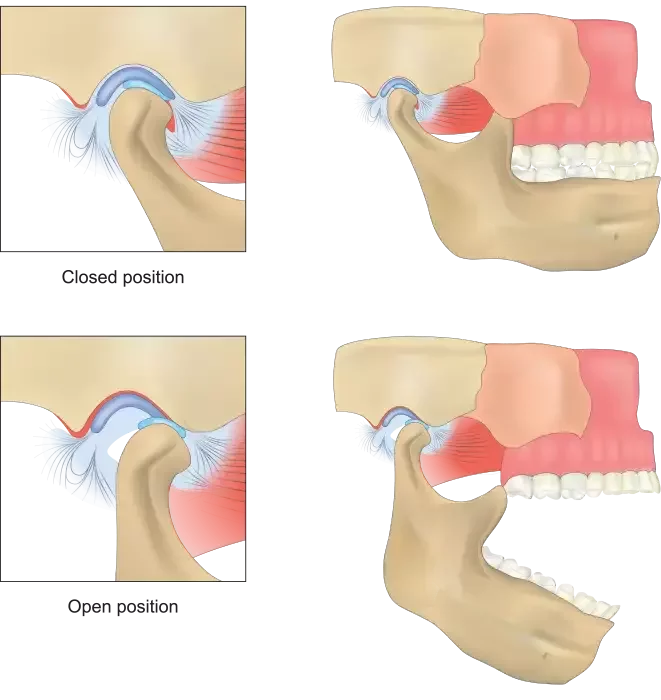
When the nervous system perceives instability or overload, it often increases muscle tone around the jaw as a protective response. Over time, this can lead to chronic tension, altered joint mechanics, and recurring symptoms.
This is why jaw issues frequently overlap with neck pain, headaches and migraines, and posture-related strain – and why focusing only on the jaw itself often falls short.
OUR APPROACH TO TMJ & JAW TENSION
Rather than chasing symptoms, we focus on how your body is organizing itself.
Your care begins with a thorough assessment that looks at:
Spinal alignment and posture
Upper neck and head mechanics
Jaw movement patterns
Nervous system tone and stress response
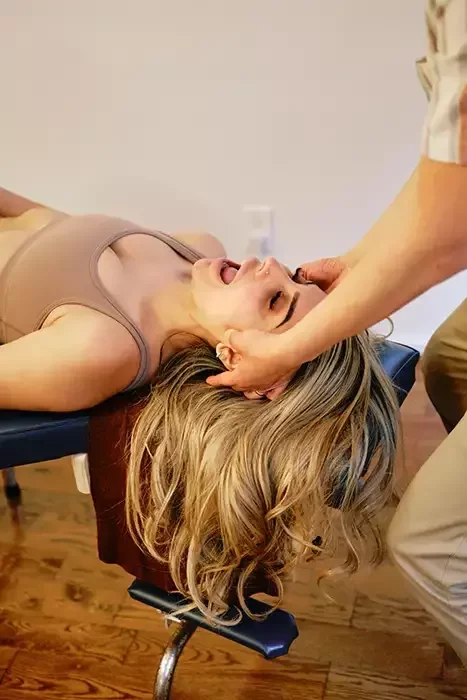
When appropriate, spinal imaging may be used to better understand structural patterns and guide care. From there, chiropractic adjustments are tailored to reduce interference in the nervous system, improve coordination between the spine and jaw, and support more relaxed, efficient movement.
You can learn more about our full assessment process on our Assessment and Care Approach page.
HOW CHIROPRACTIC CAN HELP TMJ SYMPTOMS
Chiropractic care does not “force” the jaw to change. Instead, it helps create the conditions for your body to regulate itself more effectively.
Patients often report improvements such as:
Reduced jaw tension or clenching
Fewer headaches or neck flare-ups
Improved ease with chewing or speaking
Better sleep quality
A general sense of relaxation and stability
Results vary, but the goal is always the same – helping your nervous system move out of constant protection and into a state where healing and balance are possible.
TMJ, STRESS, AND MODERN LIFE
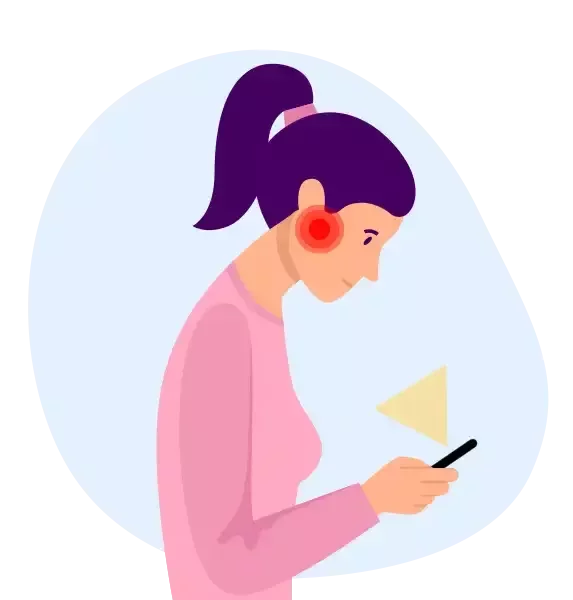
Long hours at desks, screen use, poor posture, and chronic stress all place increased demand on the jaw and neck. Many people unconsciously brace their jaw while concentrating, driving, or working.
Addressing jaw tension without addressing these broader influences often leads to short-lived relief. Our care is designed to account for the realities of modern life while helping your body adapt more effectively.
RELATED CONDITIONS
YOUR CHIROPRACTOR
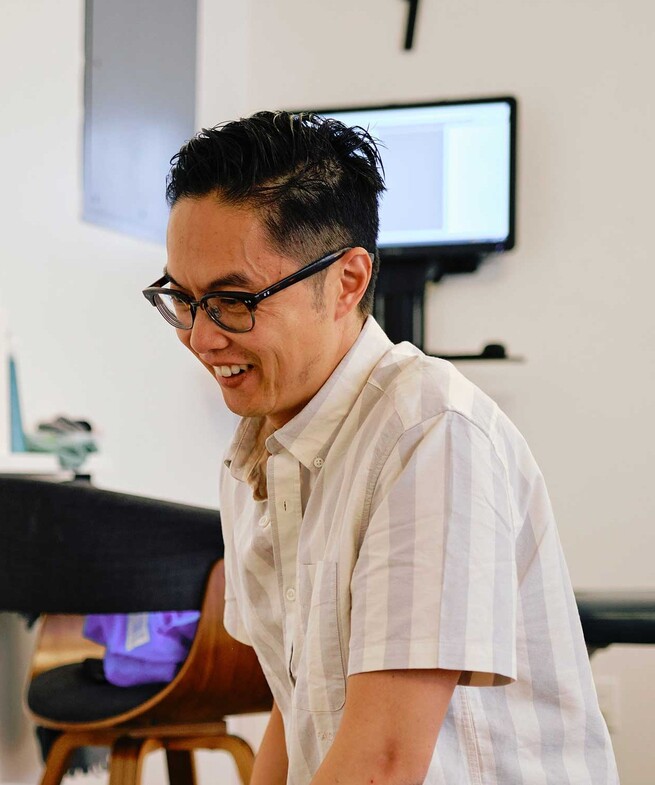
Care is provided by Dr. Leo Quan, a licensed chiropractor in Ontario practicing in downtown Toronto since 2011.
ABOUT THE CHIROPRACTOR
Dr. Leo Quan is a Doctor of Chiropractic practicing at Source Chiropractic in downtown Toronto. Dr. Leo is licensed in Ontario and regularly evaluates jaw tension and TMJ-related discomfort that may be associated with cervical posture and muscle tension.
BOOK YOUR ASSESSMENT
Relief starts with understanding what your nervous system is doing and why your jaw is compensating. From there, we can determine whether chiropractic care is appropriate for you and what a realistic plan looks like.
You don’t need a diagnosis or referral to book an assessment. If we determine chiropractic care isn’t appropriate for your situation, we’ll tell you – clearly and honestly.
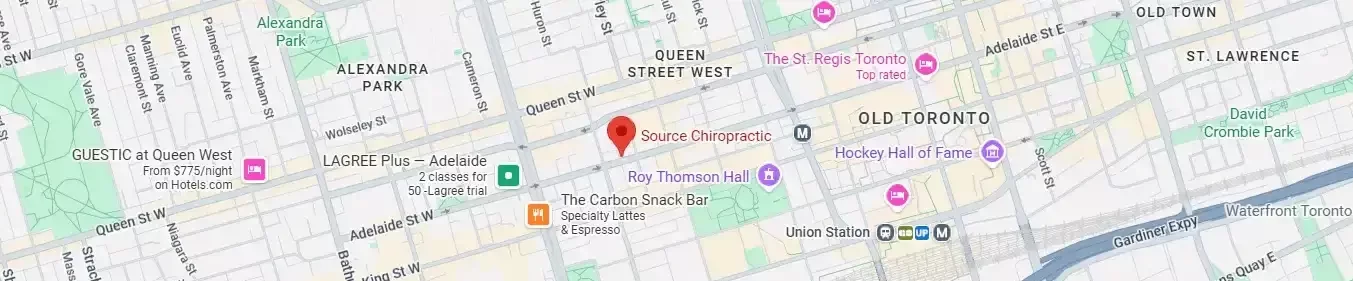
Our downtown Toronto chiropractic clinic is easily accessible for professionals working near King-Spadina and the Financial District.
If you’re ready to get started, book your assessment here.
- No medical referral required
- Most extended health plans accepted
- Located in downtown Toronto – King West / Entertainment District