DESK WORK, TECH NECK & OFFICE WORKER STRAIN – TORONTO
Clinically reviewed by Dr. Leo Quan, Doctor of Chiropractic
Source Chiropractic – Downtown Toronto
Last updated: September 2026
If you work at a desk, use a laptop daily, or spend hours on your phone, your body is under constant postural load – whether you feel pain yet or not.
In downtown Toronto, long workdays, compressed commutes, and screen-heavy jobs place unique stress on the spine and nervous system. Over time, this strain adds up, often showing up as neck pain, headaches, jaw tension, shoulder tightness, or a growing sense that your body just doesn’t move the way it used to.
At Source Chiropractic, we help office workers and desk-based professionals correct the underlying postural stress patterns driving these symptoms – not just chase relief.
In Ontario, you do not need a medical referral to see a chiropractor. If you’re experiencing posture-related strain from long hours at a desk, you can book an assessment directly.

WHAT IS DESK WORK / TECH NECK STRAIN?
Desk work strain isn’t one single injury. It’s a progressive pattern of stress caused by prolonged sitting, forward head posture, screen use, and repetitive micro-movements.
Common contributors include:
Forward head posture and rounded shoulders
Prolonged sitting with reduced spinal motion
Laptop and phone use that pulls the head forward
Shallow breathing patterns tied to poor posture
Reduced nervous system adaptability over time
Even when pain feels “muscular,” the deeper issue is often how posture is altering spinal alignment and nervous system signaling.
Over time, this strain commonly spreads beyond the neck, contributing to shoulder pain and upper back tightness.
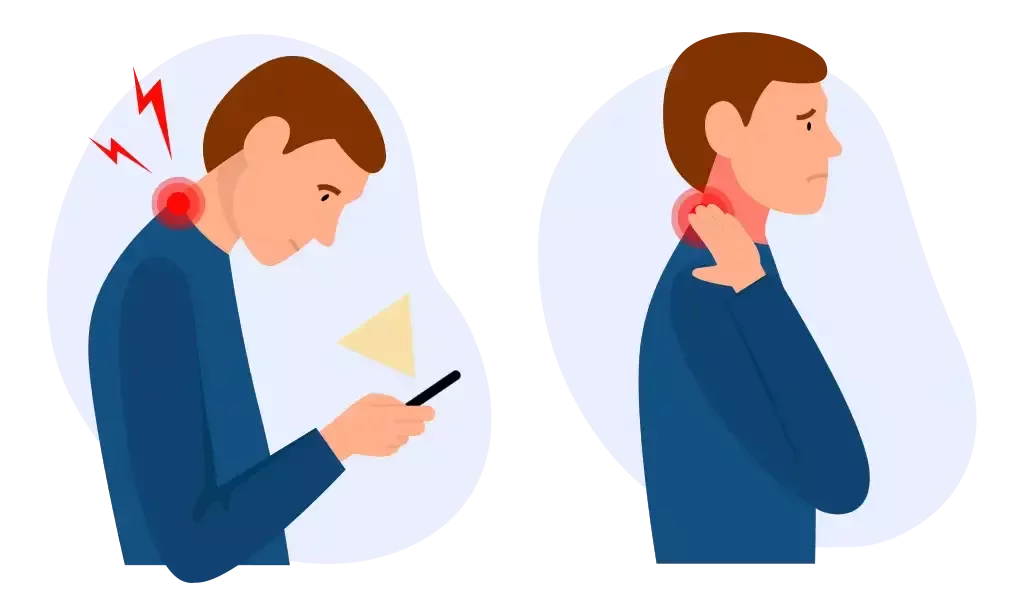
WHY OFFICE WORKERS OFTEN NOTICE NECK TENSION FIRST
The head and neck spend long periods in relatively fixed positions during desk and computer work. When this is combined with reduced movement, prolonged sitting, screen use, and repetitive daily habits, some people begin to notice increasing tension or stiffness through the neck and upper back.Common patterns may include:
- Neck and upper-back stiffness
- Shoulder tension
- Jaw clenching or facial tension
- Reduced comfort when turning or moving the neck
- Symptoms that become more noticeable later in the workday
Many office workers also notice recurring headaches, particularly during busy or stressful weeks. Headaches may gradually build throughout the workday alongside neck tension, shoulder tightness, jaw clenching, or pressure behind the eyes.
For some people, recurring headaches may be one of the first noticeable signs that the physical demands of prolonged desk work deserve closer attention.

COMMON SYMPTOMS WE SEE IN DOWNTOWN TORONTO OFFICE WORKERS
You don’t need all of these for desk strain to be present:
Neck stiffness or pain
Headaches or migraines
Jaw tension or clenching
Shoulder and upper back tightness
Tingling or heaviness in the arms
Reduced focus or mental fatigue
Feeling “compressed” after long workdays
Many office workers are surprised to learn that symptoms like neck pain often share a common postural and neurological root.
You may also notice TMJ and jaw tension developing as neck posture and nervous system stress increase.

WHY STRETCHING AND ERGONOMICS ONLY GO SO FAR
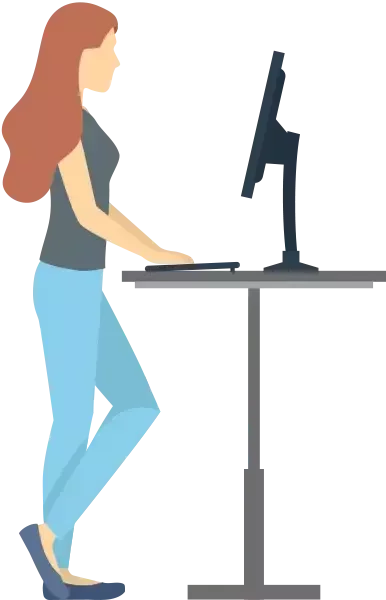
Standing desks, posture reminders, and stretching can help – but they don’t address how your nervous system has adapted to chronic desk posture.
If spinal joints aren’t moving well or alignment is compromised, the brain receives altered input about position and balance. The body compensates, even if your desk setup is “perfect.”
Lasting change requires restoring:
Spinal alignment
Healthy joint motion
Proper neurological signaling
Efficient posture under real-world load
That’s where focused chiropractic care comes in.
OUR APPROACH TO DESK WORK & TECH NECK STRAIN
Your care begins with a detailed assessment that may include:
Postural analysis
Spinal motion testing
Neurological indicators
X-rays when clinically appropriate
We’re not guessing. We’re looking for objective signs of stress and compensation so care can be precise and personalized.
Adjustments are tailored to improve spinal alignment and nervous system function, helping your body better handle the demands of desk work and screen use.

WHY THIS MATTERS LONG-TERM
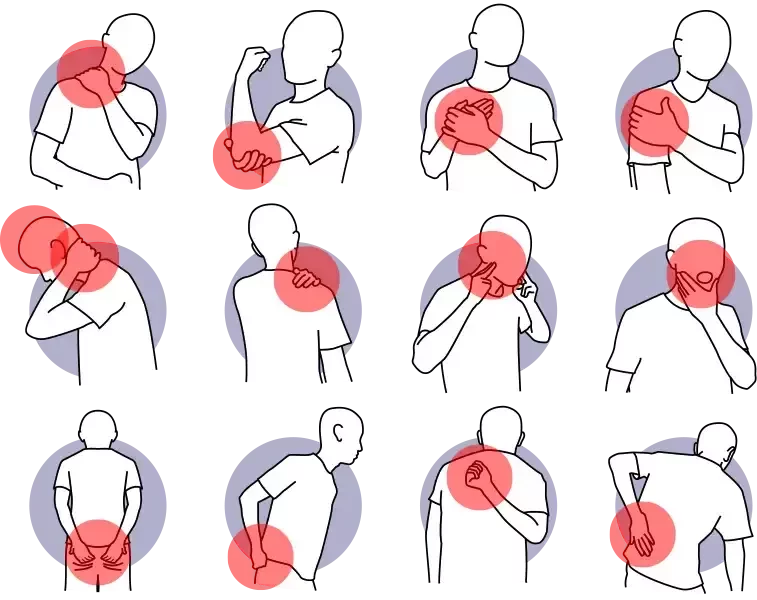
Left unaddressed, it often contributes to:
Chronic neck and back pain
Headaches and migraines
TMJ and jaw tension
Shoulder and arm issues
Accelerated postural degeneration
Early correction helps prevent small stresses from becoming long-term problems.
WHO THIS CARE IS IDEAL FOR
This approach is especially helpful if you:
Work at a desk or computer most days
Feel worse after long workweeks
Notice posture changes over time
Have recurring neck or headache issues
Want to address the root cause, not just symptoms
You don’t need to be in constant pain to benefit. Many patients start care because they want to stay functional, focused, and resilient as work demands increase.

RELATED CONDITIONS
YOUR CHIROPRACTOR
Care is provided by Dr. Leo Quan, a licensed chiropractor in Ontario practicing in downtown Toronto since 2011.
ABOUT THE CHIROPRACTOR
Dr. Leo Quan is a Doctor of Chiropractic practicing at Source Chiropractic in downtown Toronto. Dr. Leo is licensed in Ontario and regularly evaluates spinal tension associated with prolonged screen use, forward head posture, and sustained desk work.

START WITH ANSWERS
If desk work, tech neck, or office strain sounds familiar, the next step is simple – get clarity.
We’ll assess how your posture and nervous system are adapting to your work environment and explain exactly what we see, what it means, and whether care can help.
We’re here to help you move, work, and live with more ease – even in a screen-heavy world.
Our downtown Toronto chiropractic clinic near King-Spadina makes it convenient for professionals experiencing neck pain to access care.
- No medical referral required
- Most extended health plans accepted
- Located in downtown Toronto – King West / Entertainment District