HEADACHES AFTER COMPUTER WORK?

Recurring headaches, neck tension, or pressure behind the eyes after a day at the computer?


Located at Peter & Adelaide in downtown Toronto. Serving office workers, tech professionals, creatives and residents of King West, the Entertainment District and Financial District.


Clinically reviewed by Dr. Leo Quan, Doctor of Chiropractic
Source Chiropractic – Downtown Toronto
Last updated: May 2026

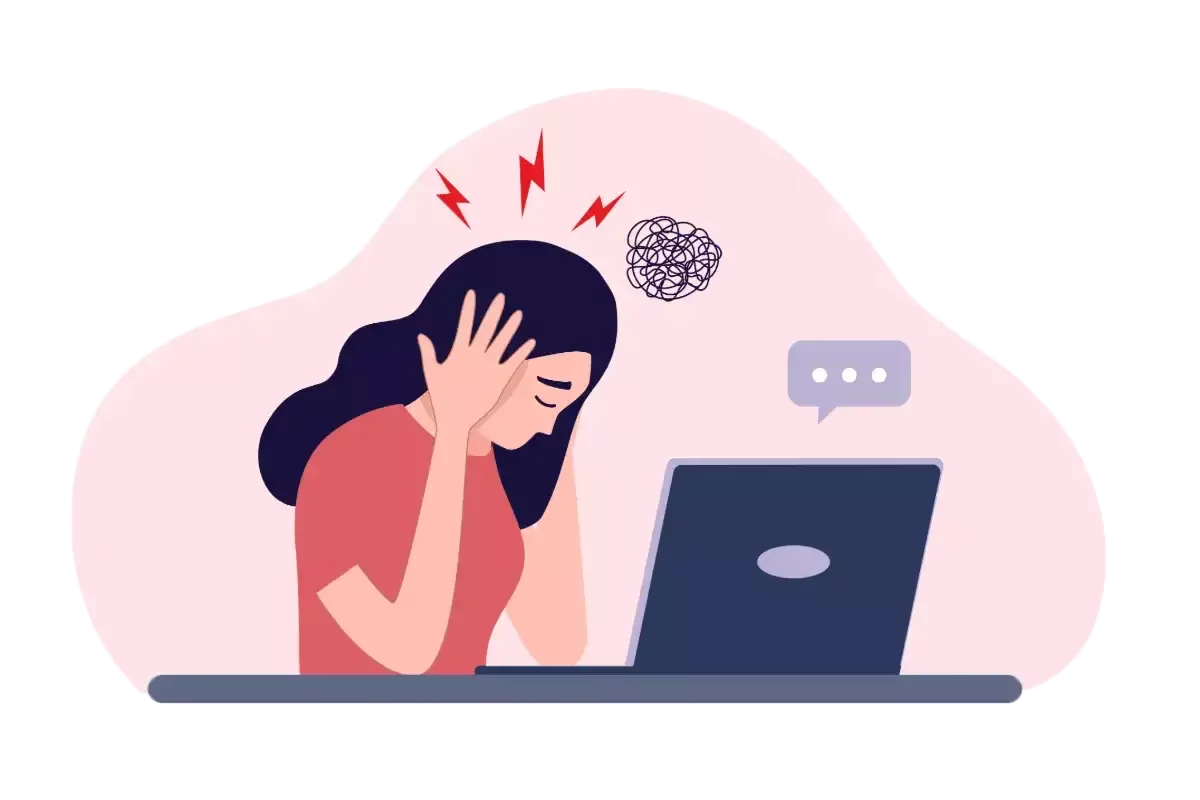
Woman experiencing headache after computer work in downtown Toronto office environment

WHY HEADACHES OFTEN BUILD DURING THE WORKDAY

Not all headaches are caused by posture or muscle tension. Headaches have many causes, and persistent or severe headaches should be medically evaluated. However, many office workers notice headaches that worsen gradually throughout the day alongside neck tightness, shoulder tension, jaw clenching, or prolonged computer use.

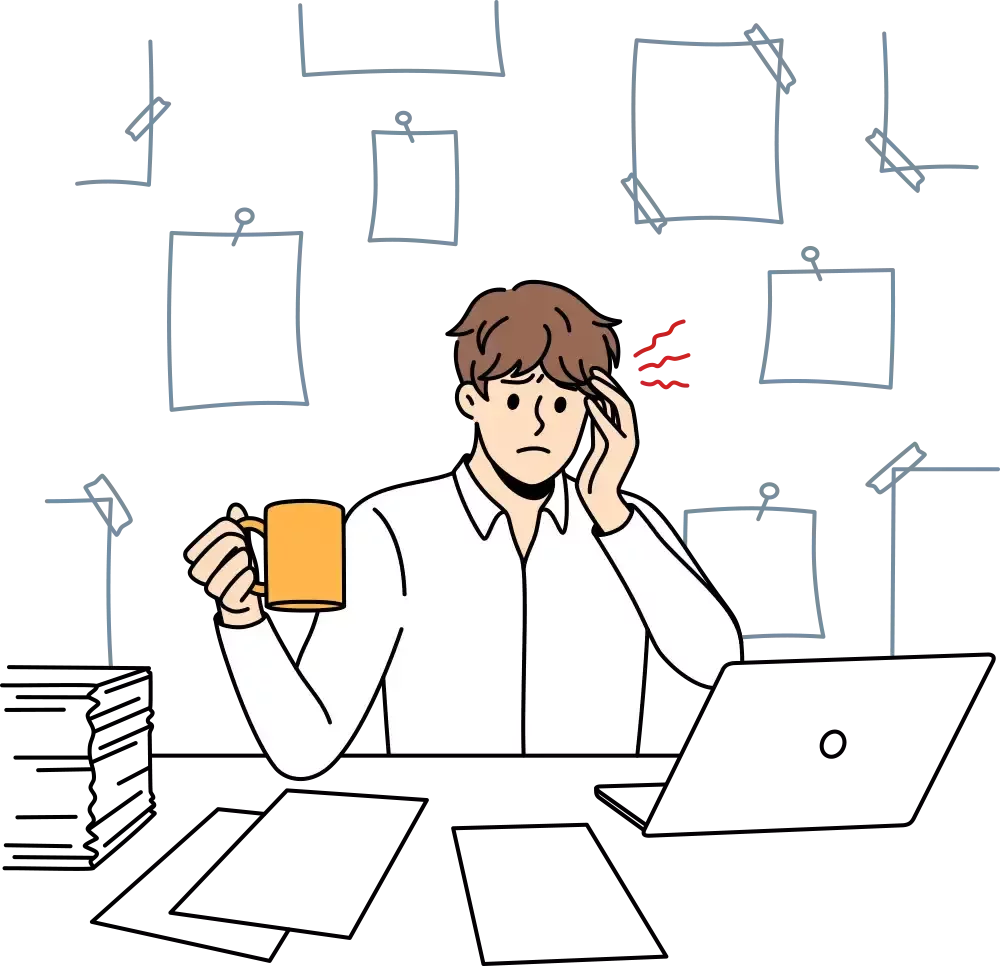
Office worker with a headache during prolonged computer work
Illustration of a person experiencing headache symptoms

COMMON WORKDAY HABITS THAT MAY CONTRIBUTE TO TENSION

  • Long hours at a desk without changing position
  • Leaning forward toward screens
  • Working from laptops for extended periods
  • Jaw clenching during concentration or stress

  • Reduced movement throughout the day
  • Sitting through long meetings
  • Working from non-ideal home office setups
  • Looking down at phones between work sessions

COMMON SIGNS HEADACHES ARE RELATED TO DESK WORK

You may notice:
  • headaches that build later in the day,
  • neck stiffness or tension,
  • upper shoulder tightness,
  • pressure behind the eyes,
  • headaches after long meetings or computer sessions,
  • frequent stretching or cracking of the neck,
  • jaw tension or clenching,
  • symptoms that improve on weekends or vacations.

Office worker experiencing a headache while working on a laptop

WHY DON’T I NOTICE THE HEADACHE BUILDUP RIGHT AWAY?

Posture-related tension often builds so gradually that it fades into the background of daily life.

In many cases, headaches associated with desk work do not appear suddenly. They often develop slowly alongside long hours of sitting, screen use, reduced movement, jaw tension, and sustained stress on the neck and upper back. Because the changes are gradual, you have adapted without realizing it.

What begins as occasional tightness or fatigue can slowly become part of everyday life. You might stretch your neck constantly, crack your shoulders throughout the day, or feel pressure building behind the eyes by late afternoon. You could even find that headaches improve temporarily on weekends or vacations, only to return during the workweek.

“You may have gotten used to the tension without realizing it.”

Over time, the body can begin compensating for stress patterns that no longer feel unusual because they have become familiar.

This does not mean every headache is caused by posture or muscle tension. Headaches can have many contributing factors. Persistent or severe symptoms should be medically evaluated. However, many office workers experience recurring headaches alongside neck stiffness, shoulder tension, jaw clenching, or prolonged computer use without fully connecting those patterns together.

Our approach to assessment can help identify whether posture, movement habits, spinal stress patterns, or muscle tension are contributing to the buildup.

Person looking upward as if noticing something previously overlooked

WHY TEMPORARY RELIEF DOESN’T ALWAYS LAST

Have you tried to manage recurring headaches with stretching, massage, ergonomic changes, rest, hydration, or over-the-counter medications? In some cases, these approaches can provide meaningful short-term relief.

But do you notice the tension and headaches often return once you go back to your normal work routine?

This can happen when underlying stress patterns contributing to the problem remain. Long hours at a desk, reduced movement throughout the day, sustained neck and shoulder tension, jaw clenching, and prolonged screen use keep adding repetitive stress to the body even as you experience temporary relief.

WONDERING WHETHER DESK WORK MAY BE CONTRIBUTING TO YOUR HEADACHES?

Assessment can help identify posture habits, movement patterns, areas of tension, and spinal stress that may be contributing to recurring headaches and neck discomfort.

For example, you feel better after a massage or weekend off work, but begin noticing the same neck tightness, upper shoulder tension, or headaches building again after several days back at the computer.

This does not mean temporary relief strategies are unhelpful. In many cases, they are an important part of managing symptoms. However, recurring patterns often benefit from a more complete assessment of posture, movement habits, spinal mechanics, muscle tension, and day-to-day physical stressors.

Understanding what could be contributing to the buildup can help guide a more targeted approach instead of repeatedly chasing symptoms after they return.

For many people, these patterns become especially noticeable during periods of prolonged desk work, stress, commuting, or extended screen time.

Man experiencing headache and pressure behind the eyes

HEADACHES AND DESK WORK IN DOWNTOWN TORONTO

Many people working in downtown Toronto spend long hours at computers with limited movement throughout the day. Office workers, tech professionals, students, creatives, and people working hybrid schedules often divide their time between office workstations, condo setups, commuting, and extended screen use without realizing how repetitive those physical patterns can become.

In areas like the Financial District, King West, and the downtown core, it is common for people to spend much of the day sitting in meetings, working on laptops, or commuting on transit before returning home to continue using screens in the evening.

Over time, prolonged sitting, forward head posture, upper shoulder tension, jaw clenching, and reduced movement throughout the workday contribute to recurring neck tightness and headaches for some people.

Many patients are surprised to realize how much tension has gradually become part of their normal routine until they finally begin paying attention to the patterns more closely.

Downtown Toronto office and residential buildings near King-Spadina

ABOUT THE CHIROPRACTOR

Dr. Leo Quan is a Doctor of Chiropractic practicing at Source Chiropractic in downtown Toronto.

Dr. Leo regularly works with office workers, professionals, and people experiencing recurring neck tension, posture-related strain, and headaches associated with prolonged computer use and desk work.

His assessment process focuses on understanding how posture, movement habits, and day-to-day physical stress may be contributing to recurring symptoms rather than simply chasing temporary relief.

Dr. Leo Quan has been practicing chiropractic in downtown Toronto since 2011 and is registered with the College of Chiropractors of Ontario.

Dr. Leo Quan, Doctor of Chiropractic, at Source Chiropractic in downtown Toronto

HOW ASSESSMENT CAN HELP

Recurring headaches are not always caused by the same thing. For some people, tension is related to prolonged desk work, posture habits, reduced movement throughout the day, jaw clenching, spinal stress patterns, or the way the neck and upper back are functioning together over time.

At Source Chiropractic, Dr. Leo begins with assessment rather than guessing based on symptoms alone.

This may include evaluating posture, spinal movement, areas of tension or restricted motion, work habits, movement patterns, and the physical stress associated with prolonged sitting or computer use. Understanding how your body has adapted to repetitive daily stress can help identify patterns that contribute to recurring headaches, neck tension, or upper back discomfort.

Many people are surprised to discover how much tension and stiffness gradually became part of their normal routine before they finally stopped to assess it more closely.

Assessment helps guide a more individualized approach based on your findings, symptoms, posture, and movement patterns rather than simply chasing temporary relief after symptoms return.

Dr. Leo Quan assessing spinal movement and tension in the lower back

FREQUENTLY ASKED QUESTIONS

For some people, long hours at a computer contribute to headaches, especially when combined with prolonged sitting, neck tension, jaw clenching, reduced movement, and sustained screen focus throughout the day.

Many office workers notice headaches that gradually build during or after long periods of desk work. In some cases, this can occur alongside neck stiffness, upper shoulder tightness, eye strain, or tension around the base of the skull.

Not all headaches are related to posture or computer use, and persistent or severe headaches should be evaluated by a physician. However, many people are surprised to discover how strongly their work habits, workstation setup, and daily physical stress patterns may be contributing to recurring tension and discomfort.

Headaches that appear later in the day are often associated with gradual tension buildup rather than a single event or injury.

Long periods of sitting, sustained neck and shoulder muscle contraction, jaw tension, stress, and reduced movement throughout the workday can place repetitive strain on the body over time. Many people do not notice the buildup right away because the changes happen gradually throughout the day.

Some people also find that they spend hours leaning forward toward screens, working on laptops, or sitting in static positions without changing posture frequently. By late afternoon or evening, the accumulated tension begins to present as headaches, neck tightness, pressure behind the eyes, or upper back discomfort.

Assessment can help identify whether posture, movement habits, muscle tension, or spinal stress patterns are contributing to recurring symptoms.

For some people, tension and stiffness in the neck and upper shoulders contribute to headaches.

The muscles and joints of the neck work closely with the head, jaw, and upper back. When these areas remain under prolonged stress from desk work, posture strain, repetitive positioning, or reduced movement, some people notice headaches developing alongside neck tightness or restricted movement.

Common patterns include tension near the base of the skull, headaches after long computer sessions, stiffness turning the head, or discomfort that worsens later in the day.

Not all headaches originate from the neck, and headaches can have many possible causes. However, recurring headaches accompanied by neck tension are a common reason many people seek assessment and care.

For some people, prolonged computer work may contribute to recurring headaches.

Long periods of screen use are often accompanied by reduced movement, sustained muscle tension, forward head posture, jaw clenching, and prolonged sitting. Over time, these physical stress patterns can place increased strain on the neck, shoulders, and upper back.

Many office workers notice headaches developing after several hours at a computer, particularly when symptoms occur alongside neck tension, pressure behind the eyes, or stiffness at the end of the workday.

Not all headaches are caused by computer work, and persistent or severe headaches should be medically evaluated. However, prolonged screen time and desk work are common factors associated with recurring tension and discomfort for many people.

Many people notice their headaches improve on weekends, vacations, or days away from work.

This may happen because the physical stress patterns associated with the workweek are temporarily reduced. Less time sitting at a desk, fewer hours looking at screens, more movement throughout the day, and lower levels of work-related stress can all reduce the buildup of tension that accumulates during the week.

Because these changes happen gradually, people often do not immediately connect their headaches to their daily routines. The pattern only becomes obvious when symptoms improve during time away from work and then return after several days back at a desk.

While headaches can have many causes, recurring symptoms that consistently improve away from work may suggest that posture, movement habits, muscle tension, or other workplace stressors deserve closer attention.

If your headaches occur alongside neck tension, jaw tightness, upper shoulder discomfort, prolonged desk work, or posture-related strain, assessment may help determine whether these factors are contributing to your symptoms.

Chiropractors assess posture, spinal movement, muscle tension, and movement patterns that may be associated with recurring headaches and tension-related discomfort. Understanding these patterns can help identify whether physical stress, work habits, or areas of restricted movement may be playing a role.

Not all headaches are related to the neck or spine, and some symptoms require medical evaluation. However, many people with recurring tension headaches seek chiropractic assessment to better understand the factors that may be contributing to their symptoms and what options may be available to help address them.

Person experiencing headache and tension around the temples

OTHER DESK-WORK ISSUES THAT OFTEN OCCUR TOGETHER

Headaches are rarely the only symptom people notice. Many office workers experiencing recurring headaches also report neck tension, posture-related strain, jaw tightness, or upper back discomfort.


Long hours at a desk often place sustained stress on the muscles and joints of the neck. Neck stiffness and headaches frequently occur together.

Prolonged computer use, screen time, and reduced movement throughout the day can contribute to recurring tension patterns throughout the spine.

Many people gradually adapt to posture-related stress without realizing how much tension has accumulated over time.

Jaw clenching and facial tension commonly accompany stress-related and desk-work-related headache patterns.

Illustration of common headache, neck tension, and facial pain patterns

HEADACHES AFTER COMPUTER WORK ARE COMMON, BUT THEY AREN’T ALWAYS “NORMAL”

If headaches, neck tension, pressure behind the eyes, or jaw tightness have gradually become part of your workday, you may have adapted to more stress than you realize.

The next step isn't guessing. It's understanding what's contributing to the buildup.

At Source Chiropractic, Dr. Leo assesses posture, movement patterns, spinal mechanics, and the physical stresses associated with prolonged desk work and computer use. We'll explain what we find, what it may mean, and whether chiropractic care is an appropriate option for you.

Our downtown Toronto chiropractic clinic near King-Spadina makes it convenient for office workers and professionals to access assessment-focused care close to work.

  • No medical referral required
  • Most extended health plans accepted
  • Located in downtown Toronto – King West / Entertainment District

Young person experiencing recurring headache symptoms