CHIROPRACTIC SAFETY, RISKS & INFORMED CONSENT
If you’re considering chiropractic care, it’s reasonable to have questions about safety – especially if you’ve never had an adjustment before.
You may have heard positive things about chiropractic treatment, or you may have come across concerns about neck manipulation, spinal injuries, or stroke.
I think those questions deserve clear answers.
At Source Chiropractic in downtown Toronto, my goal is to help you understand the potential benefits, risks, and alternatives to care before deciding whether to proceed.
Not every patient needs the same treatment. And not every patient needs an adjustment.
A careful assessment, appropriate technique selection, and informed consent are important parts of how I approach patient care.
Clinical review by Dr. Leo Quan, DC
Last updated: October 2026

IS CHIROPRACTIC CARE SAFE?
Chiropractic care is generally well tolerated by appropriately selected patients, but no treatment is completely without risk.
The type and level of risk depend on several factors, including:
your health history and medical conditions
the reason you’re seeking care
the area being treated
the technique and amount of force used
whether there are reasons to avoid or modify a particular procedure
Chiropractic care can also involve more than adjustments.
Depending on your needs, recommendations may include education, exercises, movement strategies, posture-related advice, or other conservative approaches.
I don’t assume a technique is appropriate simply because it has helped someone else.
The first question is whether the proposed care makes sense for you.

WHAT ARE THE POSSIBLE SIDE EFFECTS AND RISKS?
COMMON, TEMPORARY REACTIONS
Some patients experience temporary soreness, stiffness, muscle discomfort, fatigue, or headache after manual treatment.
These reactions are often mild and short-lived, although individual responses vary.
Temporary discomfort doesn’t necessarily mean something has gone wrong. But neither should it automatically be dismissed as a normal or necessary part of improvement.
If you experience unusual, worsening, or concerning symptoms, I want you to tell me so they can be appropriately assessed.

LESS COMMON AND MORE SERIOUS COMPLICATIONS
More significant complications have also been reported following spinal manipulation.
Depending on the area treated and the procedure used, these may include aggravation of an existing spinal condition, disc or nerve injury, and, rarely, fractures or serious neurological complications.
Certain medical conditions may increase the risks of particular techniques.
For example, significant bone fragility, some spinal disorders, or neurological findings may make forceful spinal manipulation inappropriate.
This is one reason your health history and examination matter before deciding how to proceed.
Treatment may need to be modified, postponed, or avoided when the potential risks outweigh the expected benefits.

IS NECK MANIPULATION SAFE?
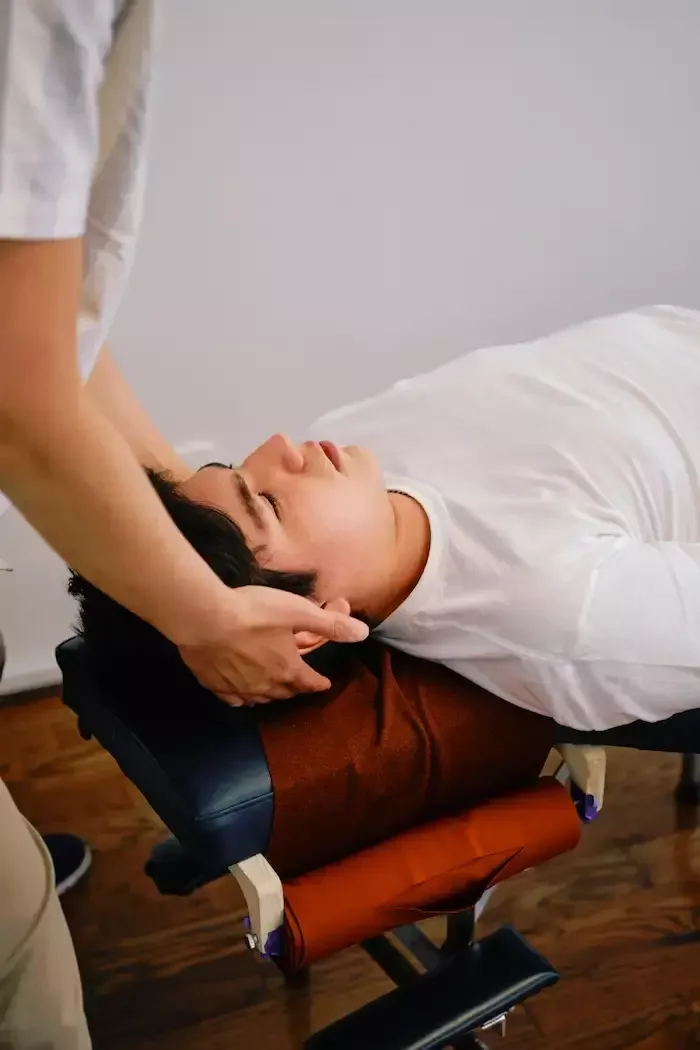
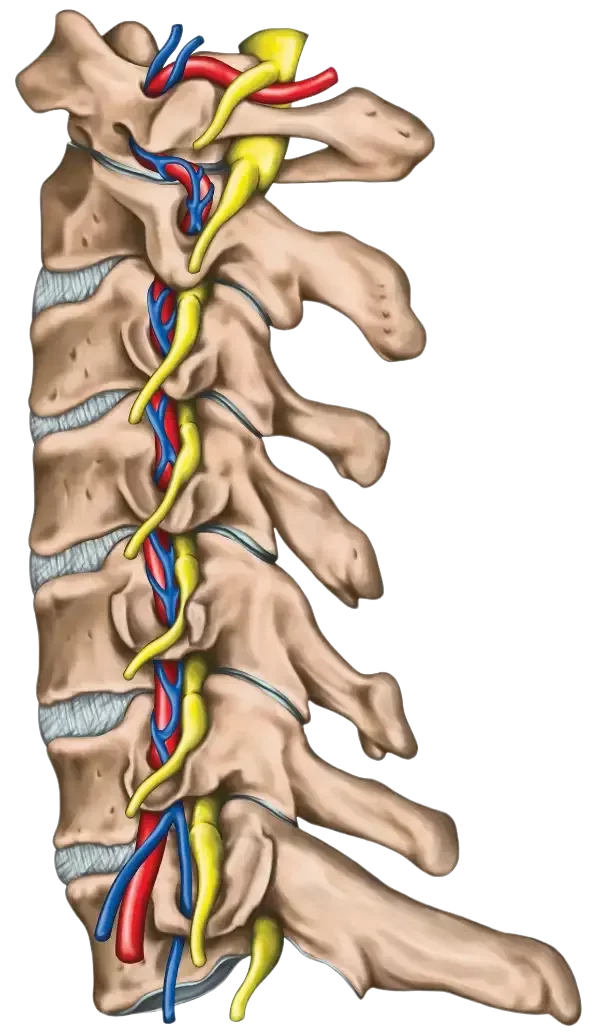
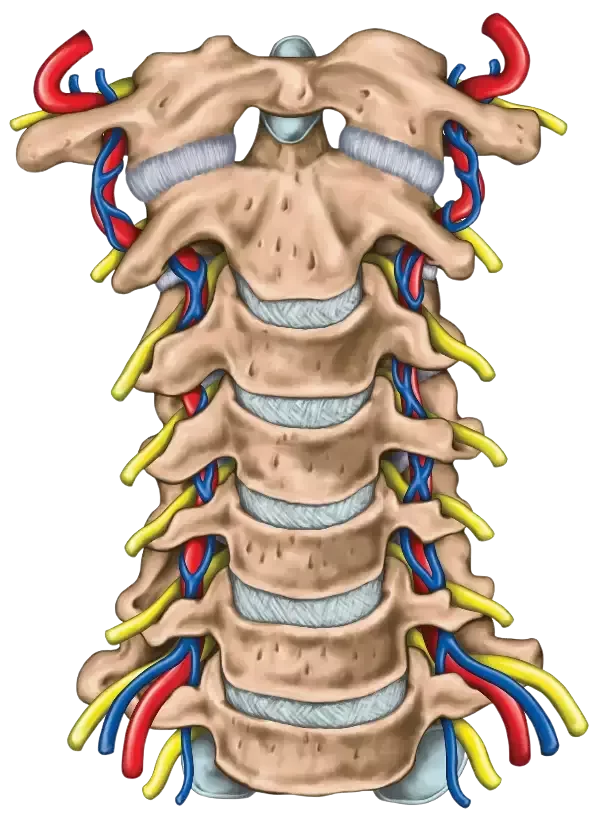
Neck manipulation deserves particular attention because the cervical spine is close to important neurological and vascular structures.
Many patients undergo cervical manipulation without serious complications. However, rare but potentially severe events have been reported in association with the procedure.
One concern is cervical artery dissection – a tear within the wall of an artery supplying blood to the brain. A dissection can sometimes lead to stroke.
WHAT DOES THE RESEARCH SAY ABOUT STROKE RISK?
Researchers have investigated whether cervical manipulation can sometimes contribute to an artery dissection, or whether people seek treatment for headaches or neck pain that are actually early symptoms of an existing dissection.
Both possibilities need to be considered.
A large 2026 retrospective cohort study compared more than 430,000 patients receiving chiropractor-administered cervical manipulation with a matched group prescribed ibuprofen for new episodes of neck pain or headache. It found no increased rate of diagnosed cervical artery dissection in the manipulation group during the following 30 days.
However, this was an observational study. It cannot prove that cervical manipulation carries no risk, and differences between patients receiving different treatments may not be completely accounted for.
A separate 2026 registry study identified patients who had undergone cervical manipulation before being diagnosed with cervical artery dissection. The researchers could not determine whether manipulation contributed to the event or whether patients had sought treatment because of early dissection symptoms.
Taken together, the evidence indicates that cervical artery dissection is rare, but the relationship between manipulation and dissection remains incompletely understood.
There is no universally established, reliable risk estimate for an individual cervical adjustment. A causal contribution in some cases cannot be ruled out.
I don’t think it helps patients to exaggerate these concerns or dismiss them.
My responsibility is to explain the potential risks, consider the available evidence, and help you make an informed decision.

HOW DOES THIS AFFECT CLINICAL DECISIONS?
Not every headache or episode of neck pain comes from the muscles, joints, or spine.
In rare cases, new or unusual symptoms may be related to a vascular or neurological condition that requires medical attention.
Warning signs can include a sudden, severe or unfamiliar headache or neck pain, particularly when accompanied by double vision, difficulty speaking or swallowing, facial weakness, or new problems with balance and coordination.
I consider concerning symptoms and relevant medical history when deciding whether chiropractic care is appropriate. If something raises suspicion of a serious condition, the appropriate next step may be medical assessment rather than treatment.
There is no single physical examination test that can reliably rule out cervical artery dissection. Even a careful clinical assessment cannot identify every serious condition before symptoms become apparent.
This uncertainty is one reason I believe patients should understand the potential risks and alternatives before agreeing to cervical manipulation.
HOW I ASSESS WHETHER CHIROPRACTIC CARE IS APPROPRIATE
Before recommending care, I want to understand why you’re seeking help and whether chiropractic treatment is suitable.
My assessment considers your health history, symptoms, previous injuries, current medical conditions, medications, and examination findings.
Depending on the clinical presentation, I may also assess spinal and joint movement, neurological function, posture, and other relevant findings.
I’m particularly attentive to symptoms or circumstances that could affect the risks or appropriateness of treatment.
If a finding raises concern, I may recommend further investigation, modification of the proposed care, or referral to another healthcare professional.

IMAGING WHEN CLINICALLY INDICATED
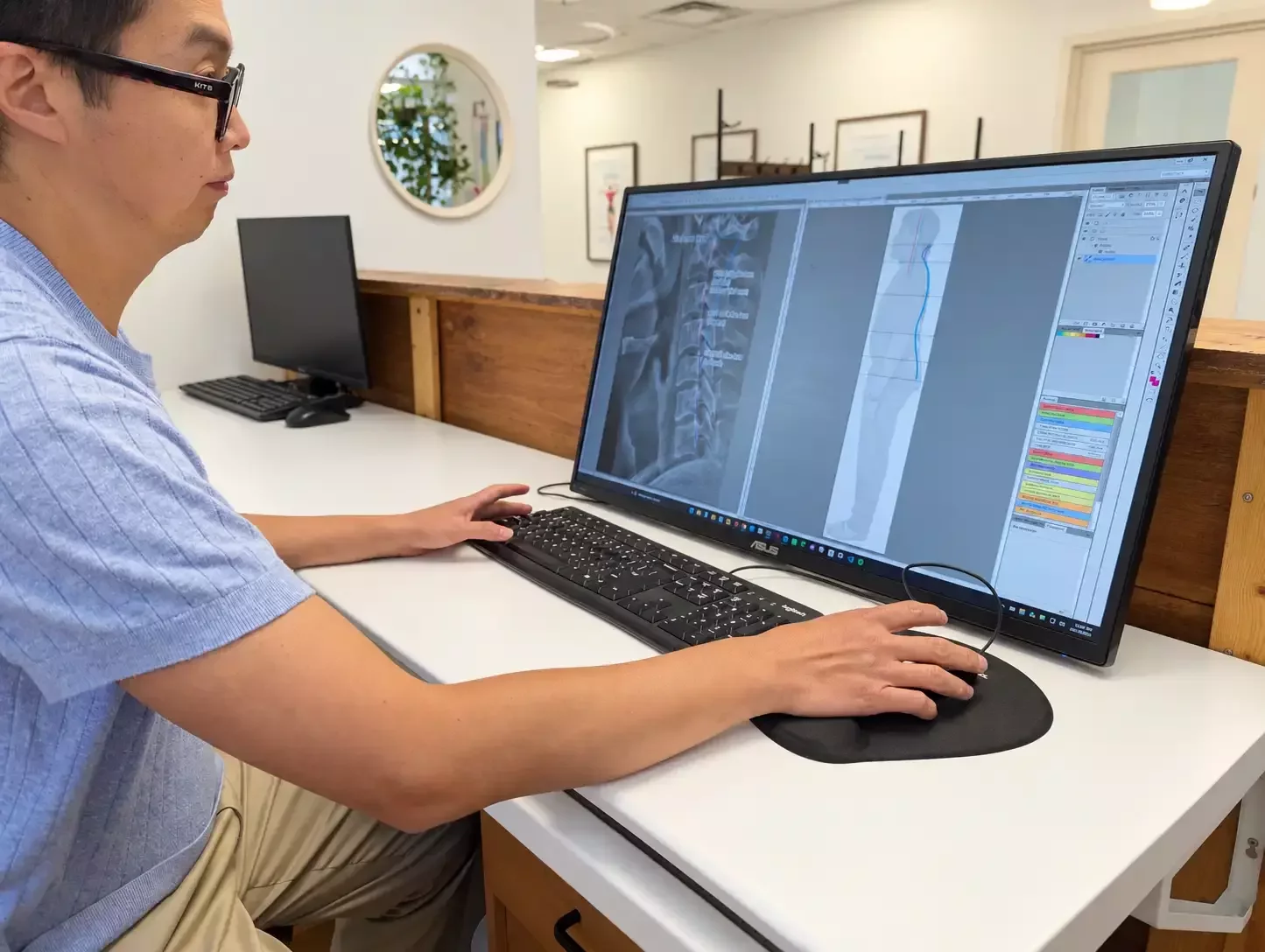
X-rays or other imaging may sometimes provide useful information, but they aren’t automatically necessary before chiropractic care.
I consider whether imaging is clinically justified and whether the findings are likely to influence decisions about assessment or treatment.
Imaging also has limitations. A normal X-ray does not rule out every serious condition, including vascular problems.
My goal is to obtain information that is clinically useful – not to perform every possible test.
NOT EVERY PATIENT NEEDS THE SAME TECHNIQUE
An adjustment isn’t one standard procedure delivered in exactly the same way to everyone.
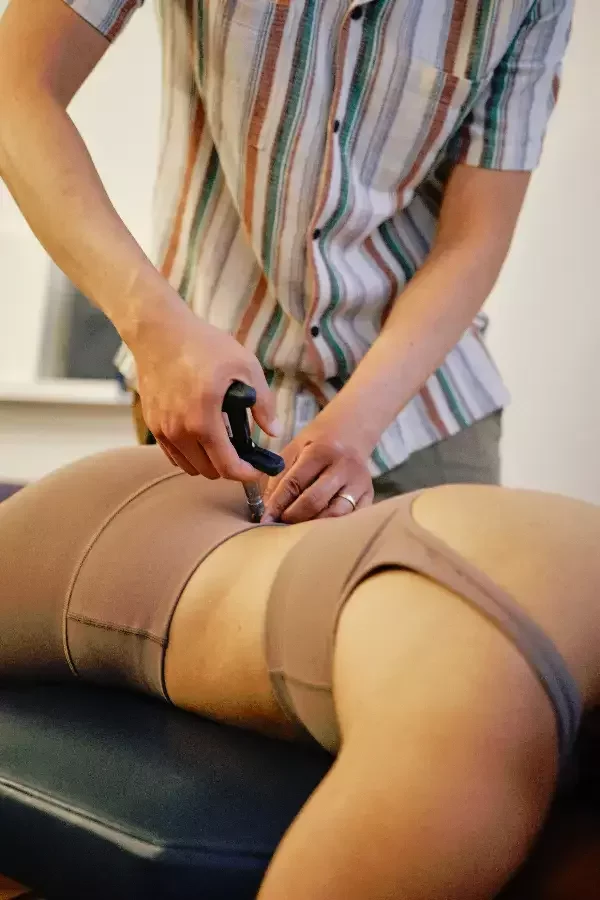
Chiropractic techniques differ in their positioning, speed, force, and intended effects.
Depending on the patient’s clinical findings, preferences, comfort, and response to care, I may consider different adjusting approaches or decide that an adjustment isn’t appropriate.
Some patients prefer to avoid particular techniques, including forceful neck manipulation.
Those preferences deserve a genuine discussion about reasonable alternatives and whether another approach would be suitable.
Different techniques may have different risks. A gentler or lower-force approach should not automatically be assumed to be risk-free.
You should understand what I’m recommending and why before agreeing to it.
WHAT INFORMED CONSENT MEANS AT SOURCE CHIROPRACTIC
Informed consent means more than signing a form.
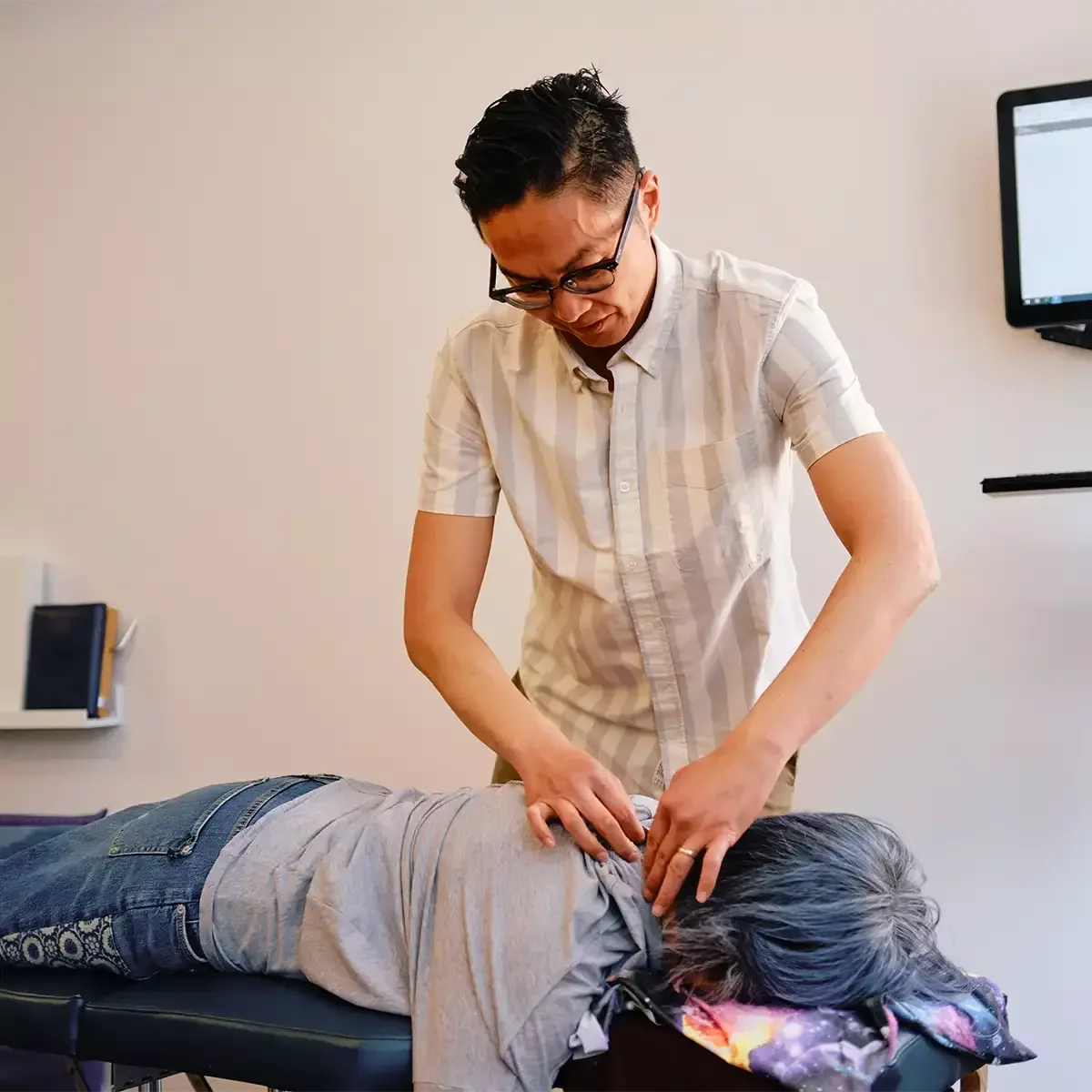
Before your first adjustment, I explain the findings and recommendations through a combination of group patient education and a private, one-on-one report of findings.
Together, these discussions cover the proposed care, its expected benefits and limitations, material risks, and reasonable alternatives. You’ll have an opportunity to ask questions and discuss anything you’re unsure about.
Once you’ve received this information and had the opportunity to consider your options, you can indicate your consent in writing immediately before your first adjustment.
Consent isn’t the end of the conversation.
Your health, comfort, and preferences can change from one visit to the next. I take those changes into account and adapt care accordingly.
If your condition or recommended care changes significantly, that may also require a renewed discussion about the risks, benefits, and alternatives.
YOU CAN SAY NO TO A TREATMENT
You’re not obligated to accept an adjustment because you’ve booked an appointment or completed an assessment.
You can decline a particular technique, ask about alternatives, or withdraw your consent.
If you’re uncomfortable with a recommendation, I would rather discuss your concerns than proceed without your understanding and agreement.
My role is to help you make an informed decision – not to persuade you to accept a particular treatment.
WHEN CHIROPRACTIC CARE MAY NOT BE APPROPRIATE
Sometimes the best recommendation is not chiropractic treatment.
Certain fractures, significant neurological problems, suspected vascular conditions, infections, or other serious medical disorders may require medical evaluation or treatment before chiropractic care can be considered.
Other conditions may not prevent all chiropractic care but can make particular procedures unsuitable.
The distinction matters.
A reason to avoid one type of adjustment isn’t necessarily a reason to avoid every form of conservative musculoskeletal care.
My goal is to determine what is appropriate, what needs modification, and when another healthcare professional should be involved.

WHEN TO SEEK URGENT MEDICAL ATTENTION
Some symptoms should not wait for a routine chiropractic appointment.
Signs of stroke can include sudden facial weakness, arm weakness, speech difficulties, new vision changes, or sudden problems with balance and coordination. A sudden, severe and unusual headache may also be a warning sign.
New or worsening limb weakness, loss of sensation around the groin, or new bowel or bladder dysfunction can indicate other serious neurological conditions requiring urgent assessment.
If you experience signs of stroke or another medical emergency, call 911 immediately. Do not drive yourself to the hospital.
For symptoms that are concerning but not obviously an emergency, seek timely medical advice rather than assuming they are musculoskeletal.

COMMON QUESTIONS ABOUT CHIROPRACTIC SAFETY
IS IT NORMAL TO FEEL SORE AFTER AN ADJUSTMENT?
Temporary soreness or stiffness can occur after manual treatment and often settles without additional treatment.
However, severe, unusual, or worsening symptoms should not simply be assumed to be normal. Seek appropriate medical attention if symptoms are concerning.
CAN CHIROPRACTIC ADJUSTMENTS CAUSE A STROKE?
Cervical artery dissection and stroke have been reported following neck manipulation, but establishing cause and effect is difficult.
Some observational studies have not found an increased risk compared with other healthcare encounters. Other research has documented cases in which dissection was diagnosed after manipulation.
The precise risk attributable to cervical manipulation remains uncertain, and a causal contribution in some cases cannot be ruled out.
This is why cervical manipulation deserves careful consideration and informed consent, even though serious complications appear to be rare.
DO I HAVE TO HAVE MY NECK ADJUSTED?
No.
A neck adjustment isn’t required simply because you’re seeking chiropractic care.
Any proposed treatment should be appropriate for your clinical findings, and you have the right to decline it or ask about alternatives.
ARE LOWER-FORCE TECHNIQUES SAFER?
Different techniques involve different mechanical forces and may have different risk profiles.
However, lower force does not automatically mean a procedure is risk-free, and the evidence does not establish that every lower-force method is safer for every patient.
The appropriate choice depends on the individual, the clinical findings, and the treatment being considered.
DO I NEED AN X-RAY BEFORE CHIROPRACTIC TREATMENT?
Not routinely.
Imaging should serve a clinical purpose and be recommended when the expected information justifies it.
WHAT IF I’M NERVOUS ABOUT CHIROPRACTIC TREATMENT?
Please tell me.
We can discuss what concerns you, what the proposed care involves, and whether there are reasonable alternatives.
You don’t need to agree to a technique you’re uncomfortable with.
RESEARCH, PROFESSIONAL STANDARDS & FURTHER READING
The information on this page reflects Ontario professional requirements and published research on chiropractic care, informed consent, cervical manipulation, and vascular complications.
Professional standards and clinical guidance
College of Chiropractors of Ontario – Standard of Practice S-013: Consent. Requirements for informed consent, material risks, alternatives, patient choice, and ongoing dialogue.
College of Chiropractors of Ontario – Standards of Practice. Includes S-005: Chiropractic Adjustment or Manipulation, addressing assessment, patient selection, indications, contraindications, and technique selection.
Rushton A et al. (2023). International Framework for Examination of the Cervical Region for Potential of Vascular Pathologies of the Neck Prior to Musculoskeletal Intervention. Journal of Orthopaedic & Sports Physical Therapy, 53(1), 7–22.
Peer-reviewed research
Pankrath N, Nilsson S, Ballenberger N. (2024). Adverse Events After Cervical Spinal Manipulation – A Systematic Review and Meta-Analysis of Randomized Clinical Trials. Pain Physician, 27(4), 185–201. This review reported no serious adverse events in the included trials, while emphasizing that randomized trials are poorly suited to detecting very rare serious complications.
Trager RJ et al. (2026). Association between spinal manipulative therapy and cervical artery dissection in patients with neck pain or headache: a retrospective cohort study. Chiropractic & Manual Therapies, 34, Article 53. This study found no increased dissection risk compared with a matched ibuprofen-prescribed group, but its observational design limits causal conclusions.
Aleyadeh R et al. (2026). Cervical Artery Dissection Diagnosed Following Chiropractic Cervical Manipulation: A STOP-CAD Subanalysis. The Neurologist, 31(2), 46–48. This registry analysis describes diagnosed dissection cases preceded by cervical manipulation but cannot establish whether manipulation caused or triggered those events.
Heart & Stroke Foundation of Canada – Signs of Stroke. Patient information on recognizing stroke symptoms and obtaining emergency care.
Research continues to develop. No single study can establish the safety of every chiropractic technique or eliminate uncertainty about rare complications.
YOUR SAFETY AND YOUR CHOICES MATTER
If you’re considering chiropractic care, you don’t need to arrive knowing which treatment is best for you.
That’s part of what an assessment is for.
I want you to understand what I find, what I recommend, the potential benefits and risks, and what alternatives you have.
Sometimes that leads to chiropractic care. Sometimes it leads to a different recommendation.
Either way, the goal is to make an informed decision together.